Brunei has long realised the need to spread its economic base in order to attract investment, promote trade and bring it up to speed with its more fiscally diverse neighbours, and developing these sites is seen as one way to achieve this.
This new diversification plan will take place over two stages. In stage one, it will develop a domestic downstream and power utilities and infrastructure at the two sites. In stage two, the government plans to bring in international consultants who will identify and prioritise the growth clusters that can complement the two industrial zones. Also to be looked into is the establishment of free-trade zones and the building of other industries that will complement the zones.
The Brunei Economic Development Board (BEDB) has budgeted US$3 billion to develop the Sungai Liang sites and plans to its proven gas reserves to establish and help nurture the nascent industrial zone there. Amongst the infrastructure that will be set up will be a power plant and an export facility. For Pulau Muara Besar, BEDB has engaged global consultancy firm Halcrow to look into the feasibility of a US$1.5 billion container-handling port.
As part of the country's second stage initiative, BEDB has hired the Monitor Group to look into identifying key economic growth areas that can be exploited to complement the proposed industrial zones and port hub. Amongst its brief will be to look into the tourism, financial services, logistics and computer software sectors.
According to BEDB chief executive, John Perry, "By capitalising on its natural assets and strategic location, Brunei Darussalam can certainly emerge as a key regional player, exporting global commodities and acting as a 'feeder' for other players in the region." These targets, confirmed Perry, will hopefully be achieved by 2008.
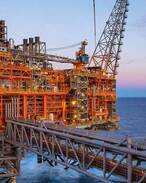
Brunei is the third largest oil producer in SE Asia after Indonesia and Malaysia and is the world's fourth largest producer of LNG.