This article is 20 years old. Images might not display.
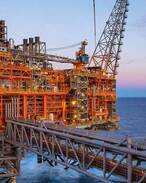
The company said yesterday that the 61.6 billion yuan (US$7.6 billion) profit was primarily because of higher oil prices. Revenue rose from 178.4 billion yuan to 252.5 billion yuan.
International oil prices remained high, but unstable, PetroChina cautioned. But it said it would continue to accelerate its program of increasing crude oil and gas reserves and output and that oil and gas exploration would be its "top priority".
During the first six months of 2005, the company's oil and gas output amounted to 481 million barrels of oil equivalent, an increase of 5.3% on the same 2004 period. It produced 397 million barrels of crude oil, an increase of 2.1%, and 506.4 billion cubic feet of gas, an increase of 23.4%.
"We have seen sound performance in our major business segments during the first half of 2005,” said PetroChina president Jiang Jiemin.
"Our oil and gas exploration achieved significant breakthroughs in both the eastern and western China regions thanks to the great efforts we have made, while oil and gas production also saw increases.”
“Our refinery segment improved key technical indicators, the chemical segment increased both the output and sales of major products, and our pipeline construction progressed rapidly. All these achievements have contributed to laying a solid ground for us to reach our full-year performance target.”
PetroChina's parent firm, China National Petroleum Corporation announced on Monday that it was paying US$4.18 billion for Canadian oil company PetroKazakhstan, which has substantial reserves in neighbouring Kazakhstan.
The CNPC bid was China's largest foreign acquisition yet and topped that of the Indian government's Oil and Natural Gas Corporation.
The intense bidding by the world’s two most populous countries underlines the growing competition by Asia’s economic giants for resources.
Indian oil minister Mani Shankar Aiyar has said India and China would move to collaborate in bidding for future global oil and gas assets, but such an arrangement seems to be far from being finalised.