This article is 23 years old. Images might not display.
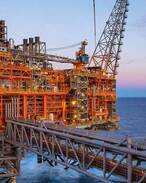
However, the potential public good could outweigh that "large overall detriment" if the Pohokura partners agree to certain conditions, says the commission in its draft decision, released today, on the partners' application to jointly market and sell gas from the offshore Taranaki field.
This rather muted and conditional draft approval will have the partners - Shell New Zealand, Todd Energy and Preussag Energie/OMV Petroleum - anxious to convince the commission they will be able to adhere to any conditions imposed.
And it is certain they will do everything they can to convince the commission, including making detailed submissions on this draft determination and giving strong evidence at the associated conference. Submissions close on June 9; the conference is due to be held in Wellington on July 1-3; with the commission giving its final decision due on August 7.
Commission chairman John Belgrave said that subject to the commission's proposed conditions and dependent on technical performance, the field could be developed, with gas being available from February 2006.
The commission's draft determination identified four conditions any authorisation would be subject to: limiting the time period of the authorisation to five years; requiring first gas from the Pohokura field to be available by February 2006 and for the field to be under full production capability by 30 June 2006; restricting the authorisation to not apply to any successors of the applicants; and ring-fenced marketing of the Pohokura field.
"The commission's preliminary view, subject to the proposed conditions, is that benefits would result from the timely development of the Pohokura field and that these benefits would exceed the potential detriment to future competition in the effected markets," said Belgrave.
The arrangement comprises two provisions under which the applicants propose to:
discuss and agree on all relevant terms and conditions, including price, quantity, rate, specification and liability for the joint sale of gas form the Pohokura field; and negotiate and enter into contracts for the sale of Pohokura field jointly.
The commission's preliminary view was that "the overall detriment to the public of New Zealand would be likely to be large."
It considered joint marketing would: restrict the number of competitors in the market; result in higher prices and enhance the potential for price discrimination; result in a more limited range of terms and conditions being offered to gas purchasers; and slow or inhibit the rate at which a more efficient and competitive market may evolve in the future.
On the other hand the commission accepted that there would also be some features which would inhibit competition if joint marketing and selling were prohibited, including the fact that field development and output parameters would be determined jointly by the Pohokura JV parties.
Overall, the commission concluded that any joint arrangements would lessen competition in the gas market.
However, it also considered benefits to the public would arise from: early development of the Pohokura field; lower field appraisal and design costs; lower development costs; and lower transaction costs.
The most substantial potential benefit from joint arrangement would arise from the earlier development of the Pohokura field. A conservative assessment of the effects of the fields coming into production one year earlier than 2007 would be public benefits in the order of $NZ22.9-57.0 million.