Australia's territorial waters extend about 370km offshore.
But under the new policy - due to be implemented from March - all vessels that enter within 1850km of Australia's shores must present information to defence and customs authorities about the ship's identity, crew, location, speed and intended port of arrival, Howard said.
"It's just a way of making doubly sure that you know who wants to come to this country and what their business is," Howard told radio station 6PR in Perth.
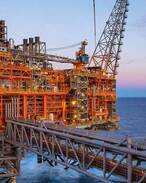
"The protection of Australia's oil and gas facilities is a key focus of the Australian government's priorities to enhance offshore maritime security," Howard said in a statement.
But legal experts say Australia could be violating international law if it tried to intercept and board ships in the new security zone.
Sydney Center for International and Global Law director Don Rothwell said the government was allowed to monitor ships beyond the 370km limit but could be breaking the law if it attempted to stop ships in international waters.
"With the exception of pirate ships and ships that are not flying flags and one or two very minor exceptions, there is no real basis upon which any country can just stop any ship at all on the high seas," Rothwell told ABC radio.
The latest move was announced as reports surfaced that an oil tanker had been ordered to stay out of Sydney Harbour last year because authorities feared that it could be attacked by terrorists during New Year's Eve celebrations.
The Australian reported that police had been watching a group of Muslim men thought to be planning attacks on two harbourside sites.
The men were seen acting suspiciously on a small boat in the harbour, where hundreds of thousands of people had gathered to watch the annual fireworks display, the newspaper reported.
The Panamanian tanker, carrying 90,000 tons of crude oil, was compelled to anchor outside Sydney Heads and was not permitted to unload until the next day.