This article is 20 years old. Images might not display.
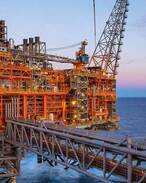
Hurricane Katrina struck 1500 platforms, while Hurricane Rita struck 1600. The two hurricanes are said to have damaged 166 oil rigs within United States waters, between 55 and 120 kilometres off the US coastline.
The LDWF's Artificial Reef Program was enacted in 1996, making it possible for abandoned oil rigs to be sunk at minimum depths of 30 metres, with a clearance of at least 15m.
The oil rigs are then used as artificial reefs, providing new habitats for marine life, supporting Louisiana's fisheries and recreational marine industries.
The LDWF said that the longevity and stability of oil platform design has made the abandoned rigs preferable to traditional artificial reef materials.
Platform operators support the rig-to-reef conversion scheme as a cost-effective alternative to decommissioning the platform and returning it to the coast for salvage.
Participating companies are required to calculate the savings achieved by rig-to-reef conversions and donate a percentage of that saving to the LDWF for further artificial reef programs closer to the shoreline.
The LDWF told Baton Rouge newspaper, the Advocate, that it received an average of 10-12 requests each year for rig-to-reef conversions, but that in the wake of the hurricanes, it had received up to 40 requests throughout 2005.
Before any conversion projects can proceed, the LDWF's Louisiana Artificial Reef Council will develop new criteria for approvals, incorporating environmental impact requirements with navigational and fishing interests.
EnvironmentalManagementNews.net