The week in review
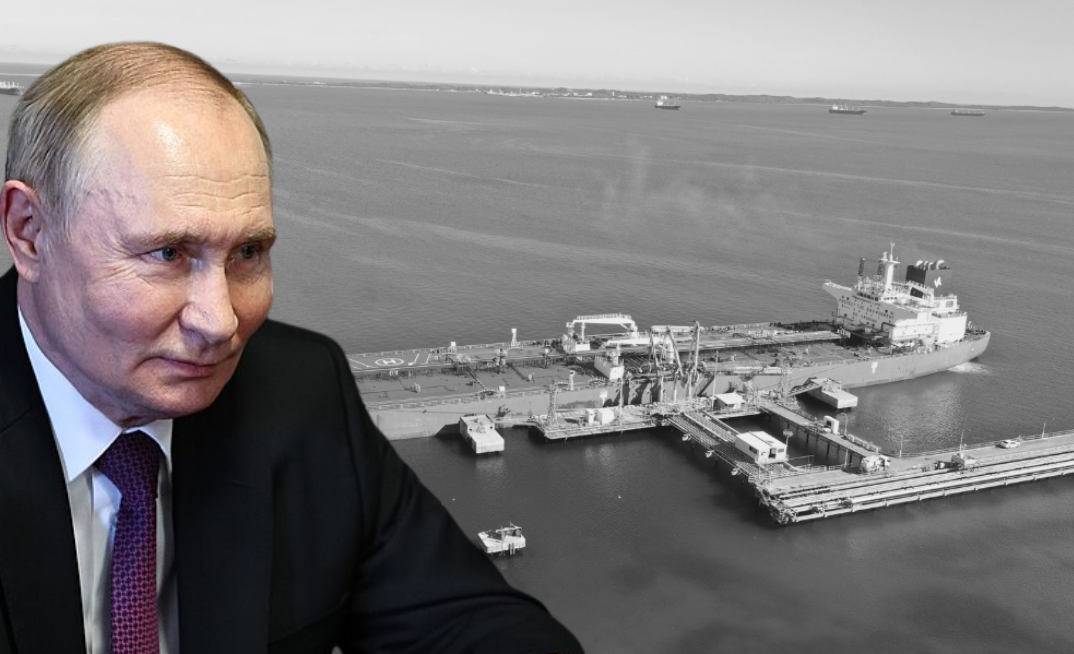
Among all the customary applications and objections for new developments covered this week by ENB was a story with more of an international, geopolitical flavour than our usual fare.
And I think this tale serves to remind us that sometimes – just sometimes – the impact of the energy sector reaches into realms that are about more than just the bottom line. Sometimes it's a matter of life and death. Literally.
This week saw the arrival into Western Australian waters and then on Tuesday evening into the port of Kwinana itself, the Greek-flagged Seferis, a tanker carrying diesel destined to be sold to Australian consumers and industrial users throughout the state.
This ship had picked up its cargo of 100,000 tonnes of diesel from India's Jamnagar port, home to one of the world's largest oil refineries, a cargo which was derived from Russian drilled crude oil.
Ever since President Putin ordered his troops into neighbouring Ukraine in 2023 the international community has been working to impose sanctions against Russian exports while the world's superpowers mulled the best way to support the Ukrainians with arms and intelligence.
According to a statement given to ENB by the Australian Department of Foreign Affairs and Trade, Australia has imposed more than 1,500 sanctions in response to Russia's full-scale invasion of Ukraine.
"This includes strict sanctions and other trade measures to restrict the import, purchase and transport of oil coming from, or that originated in, Russia," a spokesperson said.
However, as not all countries have opted to impose sanctions on Russia there are still ways and means for Putin's regime to ensure their petroleum products still reach into those countries that are in opposition to his aggression.
And that is exactly what's happening in the case of the Seferis – bringing Russian derived diesel from an Indian refinery to be unloaded at Kwinana and sold into the Australian market.
bp, the operators of the import terminal where the diesel is brought in, paid lip service to the sanctions and say they "seek to comply with all applicable regulatory frameworks around the world."
But if they have customers willing to buy the diesel, why wouldn't they import it?
The buck surely stops with the federal government which has this week come under increasing pressure from political opponents and members of Australia's Ukrainian community – including their ambassador to Australia – who have all called for more action to be taken.
DFAT say the mechanisms needed to "track and monitor all energy products via third countries are not in place in those countries" and so are unable to take more decisive action.
But when ENB spoke to industry analyst Mark Corrigan he refuted that suggestion saying that it is perfectly possible to track shipments - as he has been doing for years - showing the hundreds of vessels like the Seferis that have snuck through the sanctions loophole and into the Australian market.
Opposition foreign affairs minister Michaelia Cash has called for answers, as has independent Senator Fatima Payman and independent MP Andrew Wilkie – all of whom have decried how ‘amateurs' such as Corrigan are able to trace such shipments and yet the government is apparently not able to do the same.
Yesterday at last there may have been a possible breakthrough as foreign affairs minister Senator Penny Wong conceding the government was "looking at how we might further deal with the issue of importation from a third country."
With a vocal Ukrainian community banging the drum and their ambassador keeping up the diplomatic pressure, ENB hopes the Australian government will work out a way of blocking these shadow vessels sooner rather than later.
Sometimes it's about more than just red tape.
Yours,
Russell Yeo
Editor
Energy News Bulletin
To get the best analysis and insight of what's happening in APAC's energy sector, sign up for a free trial.