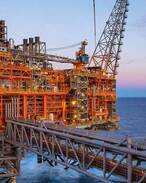
The 'World Oil Supply Report' states that oil reserves are being drawn down at an "unprecedented" rate and even assuming no growth in demand, oil supply will be held in check by global production capacity and oil will permanently cease to be abundant.
"Supply and demand will be forced to balance - but at a price. Then, like during the oil shocks of the seventies, prices could double or treble within two or three years as the world changes from oil abundance to oil scarcity," Douglas-Westwood said.
"And amongst the first to suffer will be the transport industry."
According to the report's author, Dr Michael Smith, the transport industry is growing rapidly and as the limits of oil supply are reached, this growth will become unsustainable and alternative fuel-efficient transport systems will be required.
"Particularly threatened is the airline industry, as there are currently no commercial alternatives to jet fuel. It is therefore inevitable that the cost of air travel will rise considerably in future years, and as a result a large-scale reduction in the number of operating airlines and aircraft can be expected as passenger numbers decline," Dr Smith said.
Dr Smith said governments need to develop regional alternatives in oil-powered air and automobile transport, and the advantages of electrified local rapid transit and regional rail networks will become obvious as oil prices increase.
"Governments need to be investing heavily in building, improving and renewing local and regional rail systems to offset future transport problems that will arise in the critical years. Direct investment in electrified rail travel could ultimately become profitable for private companies," Dr Smith said.