The bobber uses the rise and fall of a water surface, extracting the energy of the movement to drive a generator and produce electricity.
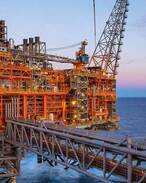
Although still in the model stage, the eventual goal is to chain together a series of bobbers, possibly using decommissioned offshore oil rigs as platforms for the devices.
Tests at Manchester University suggest that the device could outperform windfarms by harnessing the motion of waves.
"When you hear that a wind turbine produces two megawatts, that actually indicates the maximum output. The Manchester bobber's output of five megawatts is the mean power output, with the potential of much more," said University of Manchester professor of hydrodynamics Peter Stansby.
"Offshore wave energy represents a substantial concentrated 'green' energy source for an island state like the UK.
"Energy from the sea may be extracted in many ways and harnessing the energy from the bobbing motion of the sea is not a new idea. It is the hydrodynamics of the float employed by the Manchester Bobber that provides the vital connection to generating electricity."
The bobber houses its mechanical and electrical systems well above sea level, making it easy to repair and maintain the simple and readily available components.
The device can respond to waves from any direction without adjustment and it has been developed so that a breakdown of a single bobber within a linked group will not disrupt the entire supply chain.
The third stage of the project will see the construction of a full-size prototype and the drawing up of final costing and engineering by project partners engineering group Mowlem and consultant firm Royal Haskoning.
EnvironmentalManagementNews.net