

The people of Narrogin, a small farming community in Western Australia's Wheatbelt, are on edge as the State Government pushes ahead with plans to transform their region into one of the nation's largest renewable energy hubs.
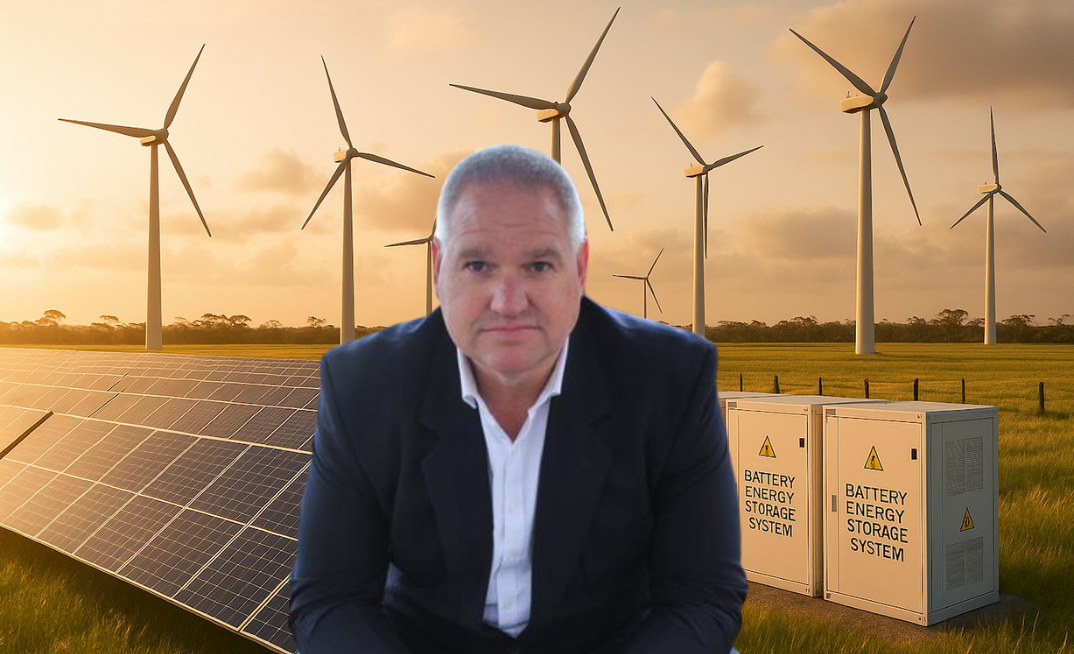
Narrogin is shaping up to be a key player in WA's clean energy push, with plans for a massive renewable energy zone packed with wind farms, solar panels, batteries and hydrogen projects. Early talks are underway, and while there's no official start date yet, construction could kick off as soon as 2025, with first power flowing into the grid by 2027.
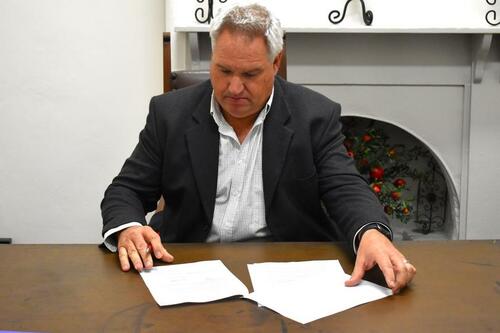
But Narrogin Shire President Leigh Ballard says while the community supports the energy transition, the proposed development within the formally gazetted Narrogin Renewable Energy Zone (NREZ) could irreversibly damage the region's agricultural base without delivering meaningful local benefits.
YOU MIGHT ALSO LIKE
"We are not afraid of change – we welcome it – but we are deeply concerned that without proper planning, the opportunities of the renewable boom will bypass our community," Ballard said.
"The fear is being seen as a staging ground rather than a stakeholder. Projects will come, generate profits and move on, leaving minimal benefits and strained services in their wake."
At the centre of local concerns is the plan to build renewable energy projects on prime farmland — land that's been the backbone of the Wheatbelt economy for generations.
Locals say anxiety is rising, with tensions growing between landholders who've been approached by developers and those who haven't. Older residents, in particular, are reporting mental fatigue as they face the prospect of living next to towering turbines and new substations.
"There's a growing sense that these projects are happening to us, not with us," Ballard said.
"We're advocating for deeper engagement, proper strategic planning, and housing solutions beyond temporary workforce dongas."
Already, early workforce demand has tightened the local rental market, pricing out some low-income families even before major construction begins.
The WA Government says renewable energy zones like Narrogin's are key to phasing out old coal plants and powering the green hydrogen boom. As seen in other places, similar rollouts have taken place, but not everyone is on board.
Farmers in Victoria's Western REZ and NSW, are pushing back—worried about losing valuable farmland and the scars high-voltage lines leave on their paddocks. It's a familiar story overseas too. From Europe to America's Midwest, rural communities are raising their voices as wind and solar farms reshape their landscapes—and their way of life.
Ironically, beyond agricultural disruption, poorly coordinated renewable projects have also triggered environmental concerns, with habitat fragmentation affecting threatened species in Australia and abroad.
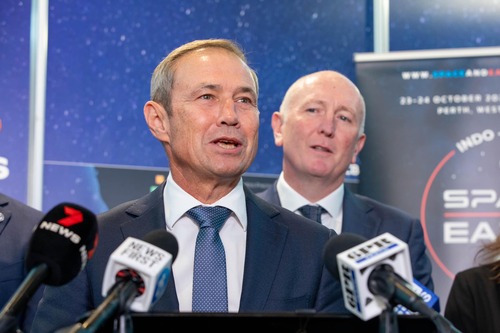
Ballard says Narrogin's leaders have asked Premier Roger Cook to guarantee that local governments are included at the earliest planning stages, and that a comprehensive regional impact assessment be undertaken to evaluate the combined social, economic, and infrastructure impacts of multiple concurrent developments.
He is also calling for co-investment in transitional and long-term housing solutions and the standardisation of community benefit funds to ensure a fairer share for host communities.
The combined value of proposed projects in and around the NREZ is estimated at up to $8 billion, though several are still subject to approvals.
"Renewable energy should not come at the cost of local identity, cohesion, or prosperity," Ballard said.
"With proper support and planning, Narrogin can be a model for how rural communities help power the future and thrive in it."
The WA Government has been asked for a comment but did not respond to ENB.