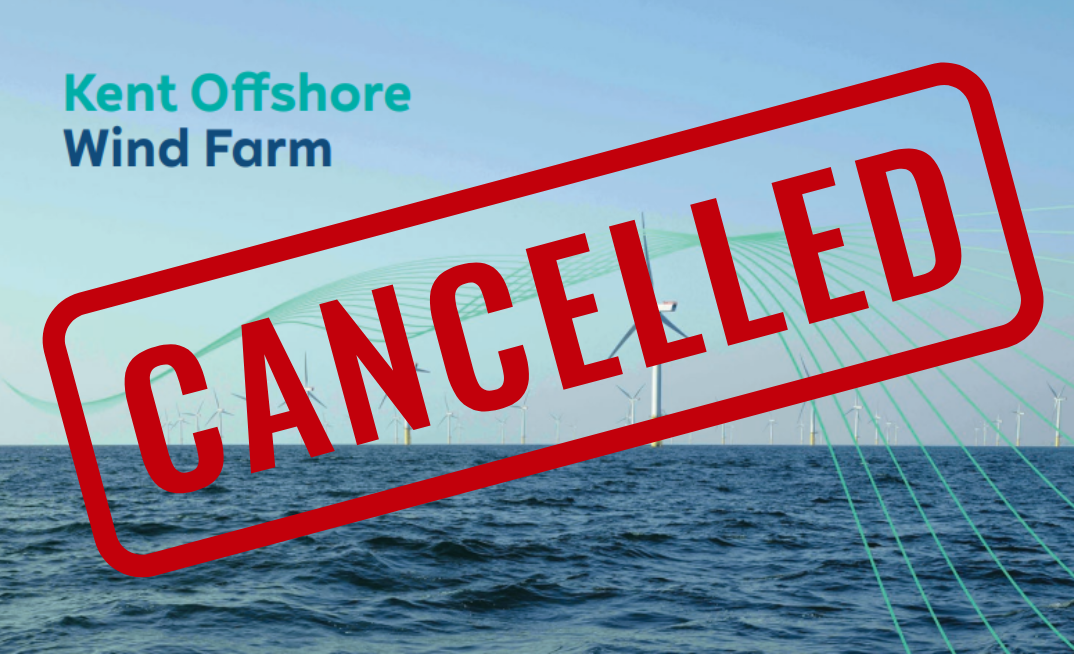


ENB can exclusively reveal a huge blow for Australia's struggling offshore wind sector today, as another proponent has dropped out of the race to build the nation's first offshore wind farm.
RWE Renewables, which in July 2024 was awarded a feasibility license to pursue the development of its Kent Offshore Wind Project, off the Gippsland coast in Victoria, has quietly announced its withdrawal on its website.
"After close to a year of feasibility studies, RWE has made the considered decision to cease development of the Kent offshore wind project off the Gippsland coast in Victoria.
"This decision follows a review of the project's competitiveness in current market conditions, as well as ongoing uncertainties around supply chain costs and the future design of the auction framework," said the statement.
YOU MIGHT ALSO LIKE
A statement issued to ENB said: "RWE conducts a constant review of its project portfolio for offshore wind as part of its normal business operations.
"RWE remains deeply committed to Australia's renewable energy sector. Our focus continues on delivering a strong pipeline of Australian clean energy projects, including battery storage and large-scale onshore wind. We see Australia as a key strategic market with great potential to invest for the long term."
The surrender of the license was confirmed in a document from the Graeme Waters, the Offshore Infrastructure Registrar dated 10 October.
RWE planned to build a 133 turbine wind farm with up to 2 gigawatts (GW) capacity - enough to power up to 1.6 million Australian homes.
At the time of being given the license, RWE Offshore Wind CEO Sven Utermöhlen said: "Australia is a very attractive growth market for renewable energy," while outlining plans to develop seabeds, using its more than 20 years of experience in Europe.

RWE, one of the world's largest offshore wind companies, has more than 20 years of experience in developing, building and operating offshore wind projects efficiently. The withdrawal from the Australian markets again shows the level of challenges operators face.
The move today from RWE follows BlueFloat's decision in July to do likewise, meaning that of the 12 projects given a feasibility license in the Gippsland zone, only 10 remain.
Likewise last month, the joint venture between Origin and the world's largest independent renewable energy company, RES, put their $8bn Navigator North project on ice.
Connor Price, the Smart Energy Council's Large-Scale Policy & Engagement Manager, said despite the setback offshore wind can and will play an important role in Australia's renewable energy mix.

"The offshore wind industry is still establishing itself in Australia, these are significant projects and will take a reasonable amount of time to get the process right.
"As coal exits the system and additional loads come onto the grid like data centres and green metals, it will be large generation sources like offshore wind that step in," he added.
Click here for a deep dive into Australia's offshore wind sector.