

The Belém summit opened with an unambiguous warning from the UN: governments must convert a decade of stalled promises into credible emissions cuts and a plan to mobilise $1.3 trillion a year in climate finance by 2035.
UN Secretary-General António Guterres told delegates the era of "negotiation without implementation" has run its course, as scientists caution that the 1.5°C threshold is slipping out of reach, with current trajectories pointing to between 2.3°C and 2.8°C of warming.
"But we must be honest in the ‘Summit of truth': The plans and policies on the table are still far from enough. Science tells us it is still possible to keep temperature rise below 1.5°C by the end of the century," Guterres said.
"Yet, a temporary overshoot above 1.5°C, starting at the latest in the early 2030s, is now inevitable."
YOU MIGHT ALSO LIKE
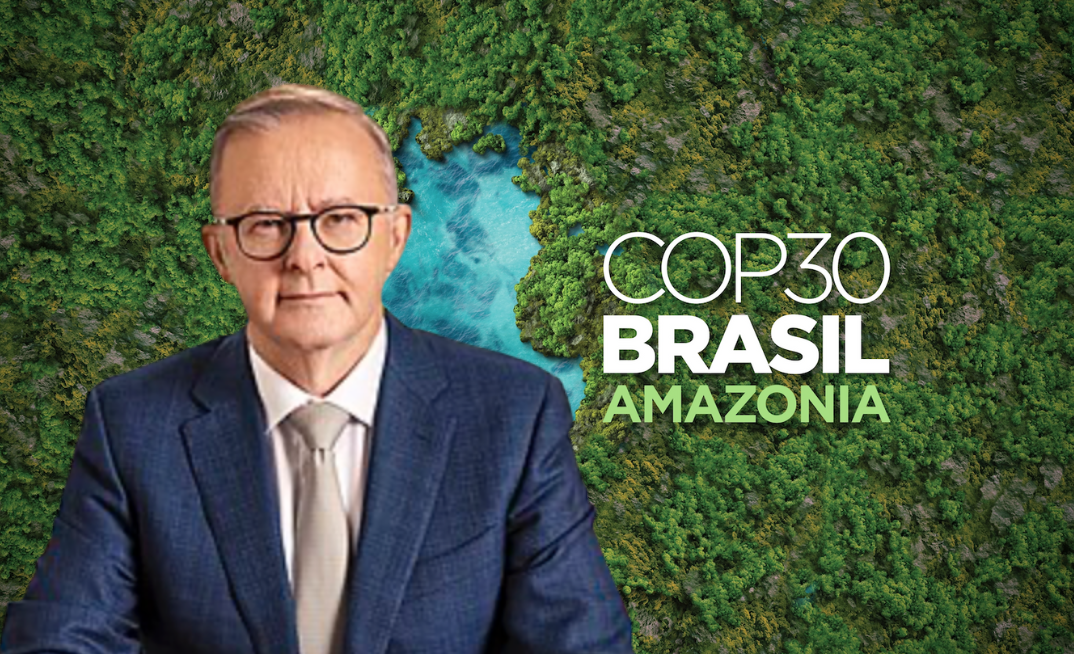
More than 50,000 delegates have gathered in Amazon for COP30, but key leaders are missing due to geopolitical issues. Australian PM Anthony Albanese and US President Donald Trump won't attend, and China, India, and the US leaders are absent from the head-of-state segment. Trump, who withdrew the US from the Paris Agreement in 2017, isn't sending officials. China will be represented by Deputy Prime Minister Ding Xuexiang.
That leaves European leaders, including UK Prime Minister Keir Starmer, German Chancellor Friedrich Merz and French President Emmanuel Macron, to carry much of the political load as the summit confronts a worsening climate outlook and rising domestic pressures across major economies. Organisers want COP30 to mark a pivot from rhetorical ambition to practical delivery after years of shortfalls on emissions cuts, adaptation funding and climate-finance mobilisation.
Brazil is using the Amazon setting to underline the stakes. The host nation is promoting a "collective task" agenda, anchored in 30 goals aimed at scaling up climate solutions, from sovereign debt reform to expanded multilateral finance and stronger national climate plans.
Delegates will be pressed to advance tougher nationally determined contributions and close the persistent pre-2030 emissions gap, with negotiators facing pressure to show material progress before the formal talks begin next week.
Greenpeace APAC: oil and gas to blame
Greenpeace Australia Pacific has warned that Australia's expanding fossil fuel output is undermining global progress. The group says the stakes are clear as climate-fuelled disasters escalate across the Pacific and beyond.
"We are dangerously off course from the 1.5°C goal, and soaring fossil fuel production is driving climate pollution to disastrous new highs," said Greenpeace head of APAC Shiva Gounden.
Host city negotiations stall
Meanwhile, uncertainty still looms over next year's COP31, with Canberra and Ankara locked in a stand-off. Türkiye refuses to withdraw its bid despite Australia claiming broad diplomatic backing for its Australia-Pacific proposal centred on Adelaide. COP host decisions require consensus, meaning the impasse risks triggering a default return to Bonn.
Albanese said he has written to President Erdoğan seeking a compromise and is willing to travel to Belém to break the deadlock. Without movement in the coming days, Adelaide's campaign risks being overtaken by UN procedural rules that Australia cannot circumvent.