

Sunshine Hydro is seeking to fast-track a roughly $5b pumped-hydro project in central Queensland, positioning Djandori as a coal-scale storage asset backed by contracted renewable energy and firming capacity when wind and solar output falls.
Formerly known as Flavian, the 961-hectare The Djandori Gung-i project is designed to operate as a large-scale, closed-loop pumped-hydro system drawing power from wind and solar generation across the wider Queensland grid, with two reservoirs storing a combined 51GL of water.
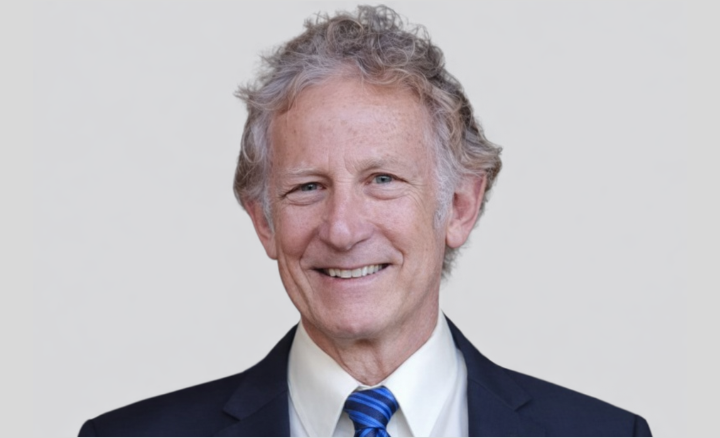
"Dispatch data shows there will be ample contracted renewable energy available to supply pumping during high wind and solar periods, while still allowing Djandori to operate efficiently and provide firming services as the generation mix continues to evolve," Sunshine Hydro CEO Rick McElhinney told Energy News Bulletin.
YOU MIGHT ALSO LIKE
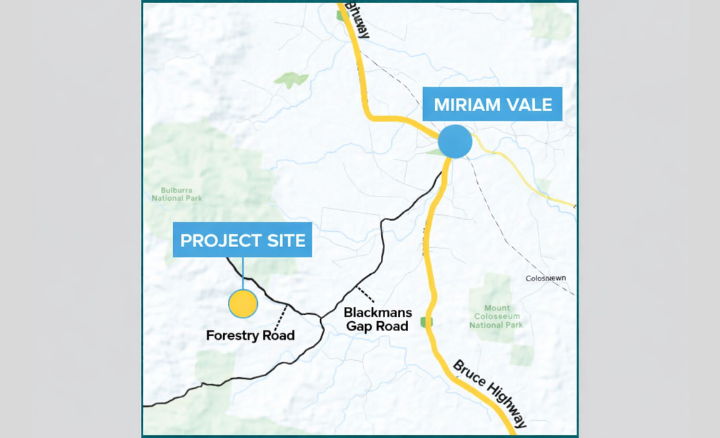
The Djandori project – which McElhinney notes will use less than 25 GL of water – has been referred to the federal environmental regulator, initiating the approval process. Sunshine Hydro points out its proximity to existing transmission infrastructure and its potential to strengthen renewable energy in central Queensland.
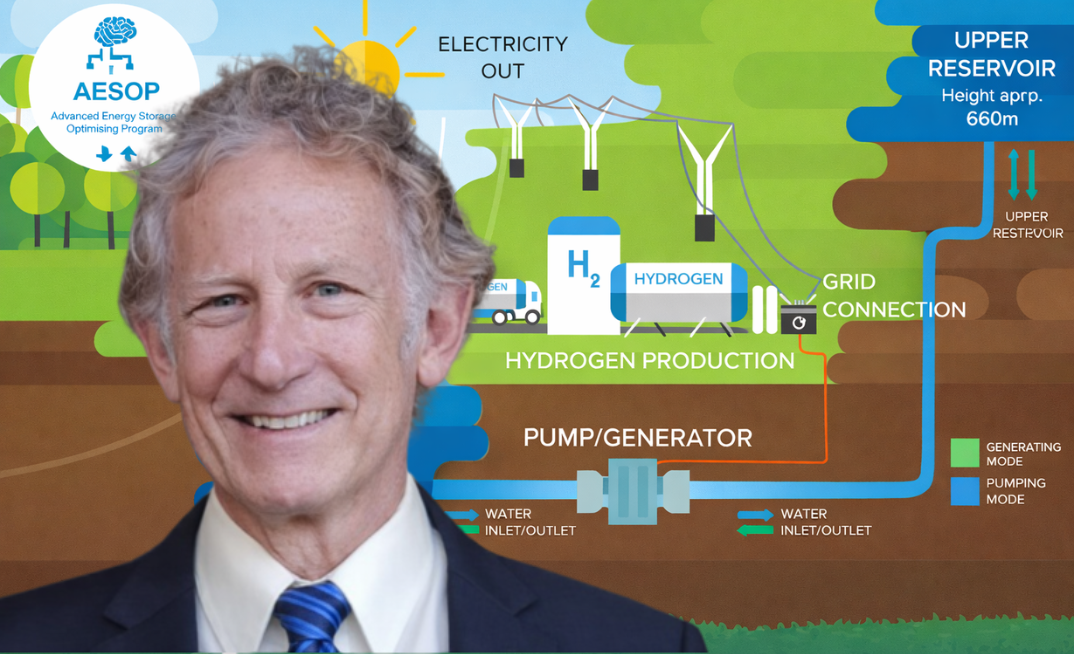
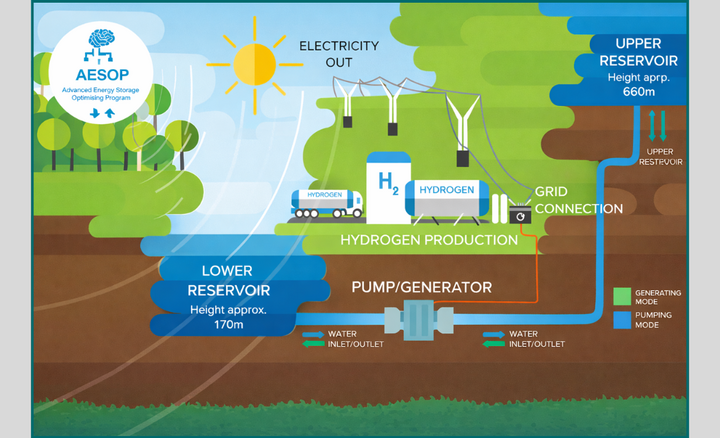
Water would be pumped from the lower to the upper reservoir using surplus, low-cost renewable power generated in Queensland. When water flows from the upper to the lower reservoir, turbines will be driven, generating electricity for supply to the market. Excess energy would then be used to produce green hydrogen, creating a closed-loop system for stable, dispatchable green power and fuel.
Sunshine Hydro says the project can deliver "like-for-like" capacity to retiring coal-fired power stations that are already well connected to the grid.
The developer estimates the project could abate about 4m/t of carbon dioxide a year by displacing coal-fired generation with firmed renewable power, equivalent to roughly 2.5% of Queensland's current annual emissions. Those figures are based on Sunshine Hydro's modelling and assume high utilisation as coal is phased out of the system.
If approved, the construction will include two large reservoirs, an underground pumped-hydro station with six pump-turbines, tunnelling, and new or upgraded roads. Sunshine Hydro argues that combining storage with existing transmission access will shorten build times and reduce risks compared to remote pumped-hydro projects.
Long shadows over pumped hydro
Djandori is being advanced at a time when pumped hydro remains politically attractive but commercially sensitive, following cost overruns and delays at Snowy Hydro's Snowy 2.0 expansion.
Snowy 2.0 was initially promoted as a roughly $2b project but has since been reset to at least $12b, with further cost pressures emerging from geological challenges, contractor disputes, and supply-chain disruptions. The multi-year delays have weighed heavily on investor confidence in large underground hydro builds.
Industry experience suggests pumped-hydro projects typically take many years to progress from approvals to commissioning, particularly where complex tunnelling and large civil works are involved. Sunshine Hydro says its "superhybrid" approach is designed to compress that timeline, with Djandori targeting completion by 2028, subject to regulatory approvals and final investment decisions.
Managing risk while keeping 2030 in sight
McElhinney says Djandori's underground risk is being managed through conservative design, early geotechnical drilling and staged construction, with the developers likely to benefit from watching Snowy 2.0 play out, while the off-river, two-reservoir layout supports a 2030 target by allowing surface and underground works to run in parallel.
"Contingency is built into both schedule and cost assumptions to allow for reasonable slippage if required," McElhinney said.
However, FID will ultimately hinge on securing long-term renewable supply and dispatchable off-take contracts, without which the project will not proceed, according to McElhinney.