

ExxonMobil's withdrawal from direct upstream operations in Australia has raised speculation the energy giant may be eyeing a return across the Tasman, with New Zealand now offering a far more inviting climate for oil and gas investment.
The island nation's coalition government today passed sweeping reforms to the Crown Minerals Act, formally reversing the six-year ban on new offshore exploration introduced by former prime minister Jacinda Ardern.
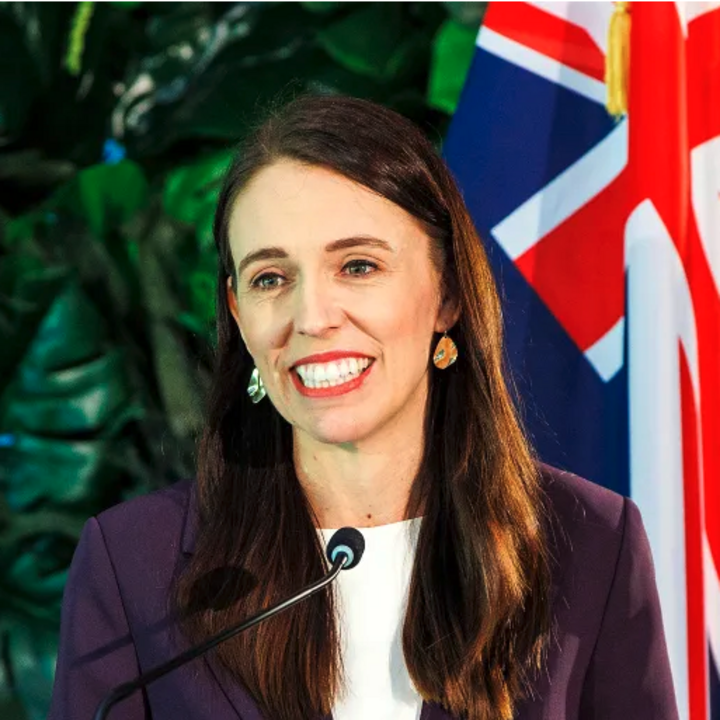
The legislation, which seeks to resuscitate New Zealand's flagging oil and gas sector, aims to attract major international players with a $200 million exploration fund and streamlined permitting.
YOU MIGHT ALSO LIKE
Exxon, through its Esso subsidiary, retains a significant downstream footprint in the region, but fresh frontier opportunities in New Zealand could now be back on the radar.
Despite years of policy headwinds, New Zealand remains potentially gas-rich, with over 2,000 petajoules of contingent resources in existing permits, according to the Ministry of Business, Innovation and Employment.
Before the 2018 ban, the Barque and Wherry prospects were seen as major untapped basins, while the country now offers a simpler approvals regime than Australia and has no gas reservation policy.
John Carnegie, CEO of NZ thinktank Energy Resources Aotearoa, said the legislation, combined with the government's $200 million investment package, could help revive foreign interest in the sector.

"With this bill and the $200 million, we certainly believe there is upside potential for overseas investors to take another look at New Zealand and help us secure an affordable energy future," he said.
NZ associate energy minister Shane Jones, who met with ExxonMobil and other global executives in Singapore in June, is leading the charge to reinvigorate upstream investment. He said fossil fuels remain critical to ensuring grid reliability as the nation navigates its energy transition.

"Unless there is a roadmap or a pathway that is technologically feasible, it is lunacy to jettison fossil fuels," Jones said.
The legislative overhaul replaces restrictive permitting rules with more flexible, investor-friendly mechanisms, such as reintroducing "priority in time" applications and reframing the Act's objective from managing to "promoting" resource development. New decommissioning rules will also be aligned with international standards.
The reforms come as New Zealand faces mounting pressure to avoid a blackout scenario. Gas production fell 12.5% in 2023 and plunged another 27.8% in the first quarter of 2024, forcing increased reliance on coal and diesel and raising concerns over grid stability. Oil output is projected to fall as much as 67% by 2030 without new investment.
While the government is bullish, the opportunity window may be narrow. The opposition Labour Party has already vowed to reinstate the offshore ban if re-elected, giving investors less than three years to secure permits before a potential policy reversal.
Public consultation on the reforms is expected later this year through the Select Committee process.
Time for NZ is not of the essence
Nearly a third of New Zealand households are facing energy hardship, sparking renewed calls for a comprehensive policy reset beyond the Electricity Authority's new rules requiring off-peak discounts from major retailers. The situation is being compounded by winter demand spikes, rising network charges, and the phase-out of low fixed tariffs — all driving up household bills.
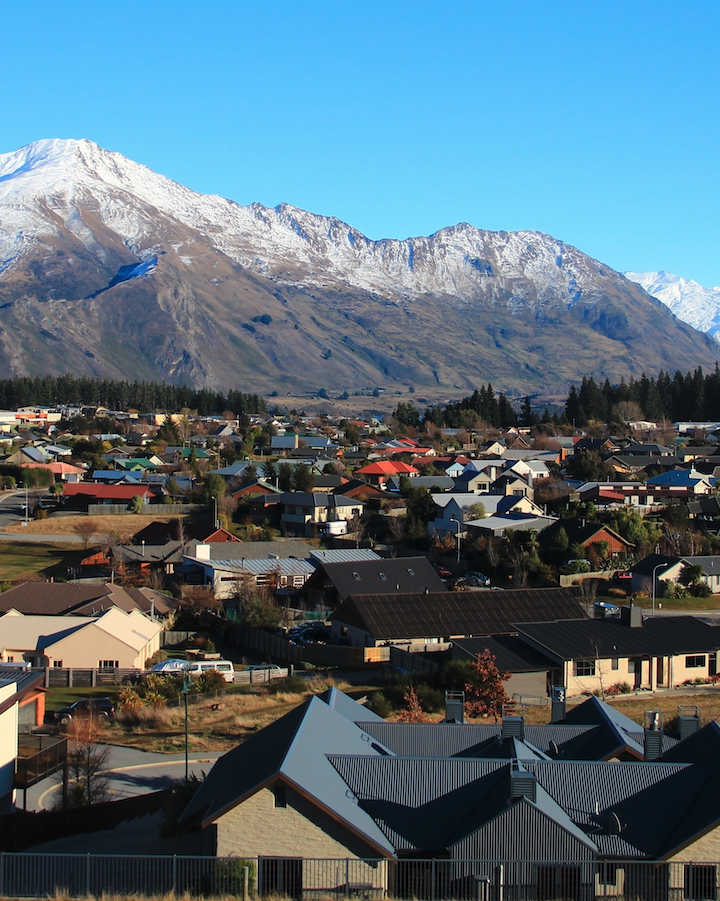
With 90% of the country's electricity sourced from renewables, the lack of reliable gas-fired peaking supply has become a critical vulnerability, heightening the risk of blackouts and industrial shutdowns during the nation's bitterly cold winters.
Gas prices jumped another 15% over the past year, underscoring what critics say is the result of years of underinvestment and policies that have discouraged upstream exploration.
"We're seeing consistent year-on-year increases in consumer energy prices, and that's directly tied to constrained supply and investor uncertainty," Carnegie said.
Because of the strong correlation between gas and electricity prices, volatility in one fuels instability in the other. The government hopes new measures will double domestic petroleum output annually and ease pressure on consumers, but without a near-term boost in supply, New Zealand could be in for a "lumpy period" of fragile energy security, factory closures and soaring prices.
Last year, the country recorded some of the highest electricity prices in the OECD, with some manufacturers forced offline. The reforms now before Parliament are seen as a pivotal chance to reverse that trajectory.