

Western Australia's environmental regulator has recommended a controversial plan from Bennett Resources - a subsidiary of Black Mountain Energy - to frack 20 wells in the Canning Basin in the Kimberley can proceed.
Now, the final decision over the plans for the Valhalla Gas Exploration and Appraisal Program, lodged five years ago with the Environmental Protection Authority, will be made by the state's environment minister Matthew Swinbourn.

The EPA has recommended a strict set of conditions, including rigorous groundwater protection guidelines and a comprehensive list of other environmental considerations.
EPA chair Darren Walsh said the EPA's assessment was limited to exploration and appraisal and was not intended to produce or process petroleum products, such as natural gas.
YOU MIGHT ALSO LIKE

He said if a commercially viable resource were identified and targeted for extraction, the proponent would be required to seek additional approvals under both federal and state government legislation and refer the proposal to the EPA.
"We consulted extensively during this environmental impact assessment," Walsh said.
"The more than 8000 submissions we received during the eight-week public review last year were considered by the EPA and responded to by the proponent.
"The EPA recognises the critical role of groundwater protection in this proposal to mitigate potential risks in a way that maintains public confidence, he said.
"To this end, we have recommended conditions that require a number of peer-reviewed programs to be approved prior to the commencement of drilling to ensure the required environmental outcomes are met.
"The strict checks and balances we have recommended build further on the structure of the conditions.
"These additional conditions are essentially a series of gates that mean an extra layer of monitoring and data gathering at a project scale to confirm environmental outcomes are met on a staged basis as the proposed exploration progresses.
"We are satisfied that, based on the information and expert advice we have considered during this assessment, that any associated risks to the environment remain low, and that the conditions we have recommended, along with those imposed under other regulatory processes, would ensure that any unforeseen or unpredicted impacts will be identified early in the process and avoided."
The plan
Black Mountain Energy, through its subsidiary Bennett Resources, is seeking approval to hydraulic fracture the wells near Fitzroy Crossing. Each well could require between 40 and 100 million litres of groundwater for multi-stage hydraulic fracturing, with total water use potentially approaching 2 billion litres.
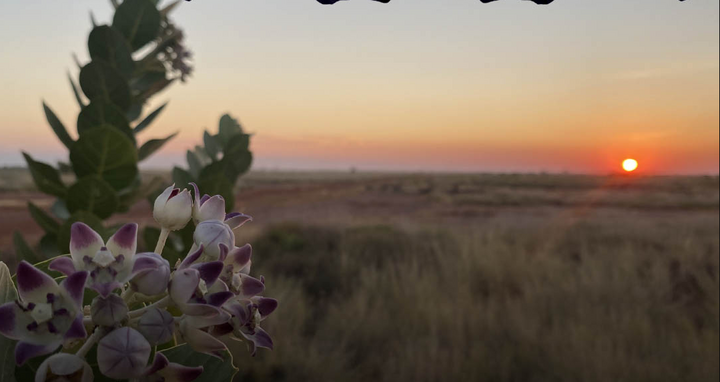
Most of the disturbance footprint is located within the Yungngora (Noonkanbah) People Native Title determination area, and the remainder is within the Warlangurru People Native Title determination area. The proponent has an Indigenous Land Use Agreement, a Land Access and Use Agreement with the Yungngora people, and a Land Access and Use Agreement with the Warlangurru people.
"At my invitation, representatives from both these Traditional Owner groups came to a recent EPA meeting and addressed all members," Walsh said. "We also visited the proposal area and the Noonkanbah community last year and acknowledged the broad support for the proposal by the Yungngora and Warlangurru people."
The EPA report also noted significant concern expressed in public submissions regarding the potential cumulative impacts should petroleum activities in the area intensify.
"If future growth of the petroleum industry in the Canning Basin is likely, we recommend the Minister consider a regional environmental assessment framework to ensure cumulative impacts are appropriately addressed," Mr Walsh said.
The EPA's assessment also considered the findings and recommendations of the Independent Scientific Inquiry into Hydraulic Fracture Stimulation. While an enforceable Code of Practice remains outstanding, the EPA report notes the State Government's commitment that hydraulic fracturing exploration activities will not proceed until a strengthened regulatory framework is in place.
Opposition
Environmental groups say they are "stunned and outraged" and have vowed to ramp up pressure on the WA government to block the proposal at the ministerial level.
Environs Kimberley director Martin Pritchard said, "It's outrageous the WA EPA has made this recommendation in the world's most pristine natural landscapes.

"Premier Roger Cook and Environment Minister Matthew Swinbourn must now reject Black Mountain's fracking project. If they don't there will be significant electoral consequences with a backlash not just from the Kimberley but also across key Perth electorates.
"Fracking would pollute the water that sustains life in the Kimberley and threaten rare and endangered wildlife as well as the National Heritage listed Martuwarra Fitzroy River which is one of Australia's best Barramundi fishing meccas. Premier Roger Cook needs to step in and protect the Kimberley from this polluting, damaging industry before it's too late.
Lock the Gate Alliance State Campaign Coordinator Simone van Hattem added: "We know that the majority of people in Western Australia don't want fracking in the Kimberley. The Kimberley is truly a global icon worth protecting from the ravages of fracking.

"The Cook Government needs to understand the Kimberley is no place for fracking. Our protests will only grow bigger until the Cook Government gets this message.
Conservation Council of WA Executive Director Matt Roberts said: "The EPA decision is reckless and puts one of WA's incredible savannah and river ecosystems at risk.

"Not only is fracking recklessly unleashing new fossil fuels and emissions, it also poses an unacceptable contamination risk to our groundwater."
Support
Despite the strong response against the recommendation, the Chamber of Minerals and Energy WA (CME) has come out in favour of it, calling it an "important milestone towards establishing the scale of the available resource."
CME Chief Executive Officer Aaron Morey said unlocking new sources of gas was critical to prevent WA falling into significant shortfall by the end of the decade.
"Continuing to tap into WA's abundant gas reserves is vital to shield families and businesses from steep rises in energy costs," Mr Morey said.

"In addition to directly powering and heating our homes, affordable and reliable gas underpins tens of thousands of West Australian jobs in manufacturing and minerals processing.
Morey added the 2018 Independent Scientific Panel Inquiry into hydraulic fracturing in Western Australia concluded the risks were low.
"The inquiry considered potential impacts on land, water, greenhouse gases, public health and social surroundings. It concluded that risks were low if controls and processes were followed," Morey said.
Hurdles
In a statement Black Mountain's founder and executive chairman Rhett Bennett said: "I regard the EPA's assessment report as a material outcome that supports progressing Project Valhalla.

"This encouraging step forward is a testimony to the company's resilience, quality of work and commitment to the project. I remain a strong believer in the vast resource development opportunity that exists in our EP371 permit in the Canning Basin. Our focus remains on progressing activity for the benefit of all stakeholders."
However, despite the EPA recommendation and Bennett's reaction, the plan still faces several hurdles before work can start.
As well as being considered at the state level, the same project was referred to the federal government's Department of Climate Change, Energy, the Environment and Water (DCCEEW) in December 2024 and is still being assessed. In a decision notice, DCCEEW previously declared "The project will be assessed by preliminary documentation", meaning an environmental impact statement will not be required. The decision will be made based on the dozen documents already submitted.
Additionally, at a WA Labor Party state conference in November, members present voted to extend the fracking ban, which currently applies to 98% of WA, across the whole state. The status quo dates back to 2018, when the then WA government lifted the moratorium on fracking but omitted parts of the Kimberley from the promise that 98% of the state would remain frack-free.
While any changes to WA's fracking laws would need to be passed by the WA Parliament, the state's government will have heard the message from its rank-and-file membership.
Nevertheless, speaking at the time of the vote, WA premier Roger Cook remained vague.
"The State Conference is a democratic forum of the Labor Party, so it will make its own decisions," Cook said.
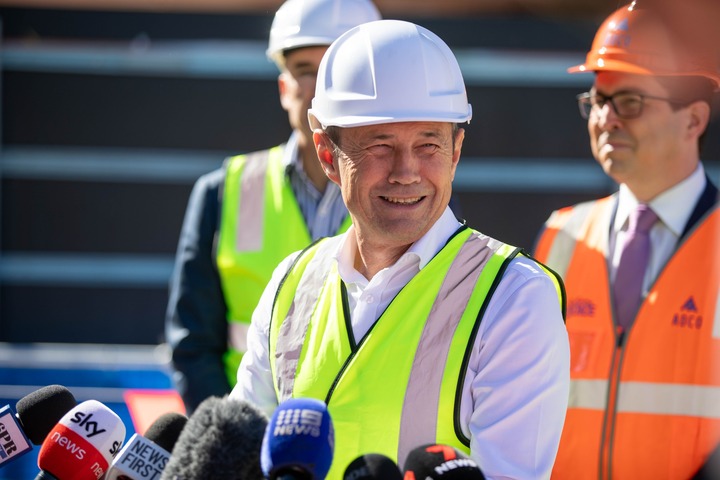
"We continue to have the tightest laws in the country in relation to fracking. It's banned across 98% of WA's land mass and landowners and Traditional Owners have the capacity to veto any production on their land.
"So, we've got incredibly tight, tight rules around protecting our environment from the more exotic means of extracting gas, like fracking."
The EPA's report to the environment minister is now open for a three-week public appeal period, after which the minister will consider the recommendation and make his decision.