

It might be five years to the day since Professor Graeme Samuel delivered his review of the EPBC Act to the then-environment minister Sussan Ley, but Australia will have to wait at least another five months to see if the newly tabled Environment Protection Reform Bill 2025 can be passed into law.
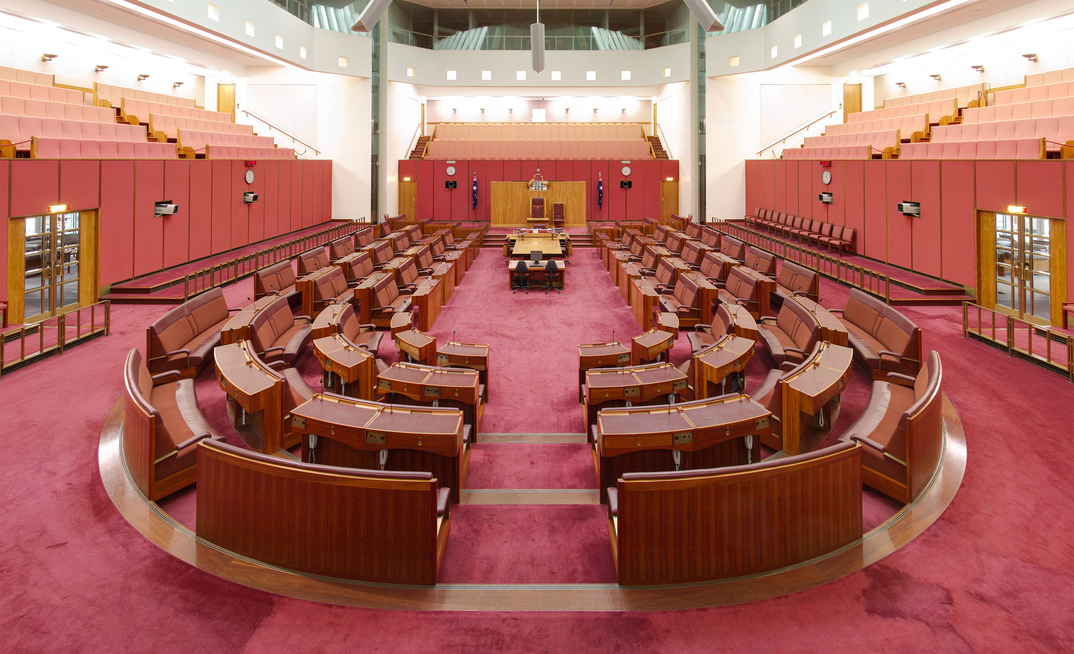
While Watt told reporters this morning that he hoped for a quick, month-long Senate inquiry, meaning the bill could potentially be passed in parliament's last sitting of the year in November, the Senate has told the Environment and Communications Legislation Committee to produce a report at the end of next March.
An early, noticeable bump in the road highlights the division this bill creates among the opposing sides of the debate.
Watt seemingly remained buoyant.
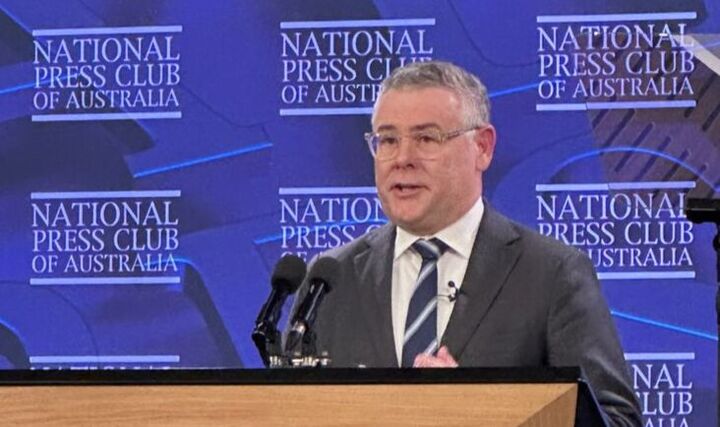
"Today we've introduced a package of reforms that delivers stronger environmental protections, faster project approvals and more transparency," said Watt in a pre-prepared statement.
"I have consulted widely with stakeholders, holding 100 meetings, forums and roundtables since coming into this role five months ago.
"This is not a zero-sum game - we can and are delivering legislation that is better for the environment, and better for business.
"Every day we delay the passing of these laws, we see the environment suffer and we see business and the community suffer," he added.
|
Stronger environmental protection and restoration
|
|
|
More efficient and robust project approvals
|
|
|
Greater accountability and transparency in environmental decision making
|
|
However, parliamentary opponents welcome the pause for thought.
"The Senate has today sent the Bills to an Inquiry, to ensure the laws are properly scrutinised and that the community is given a say," said the Greens' spokesperson for the environment, Senator Sarah Hanson-Young.

"This Senate inquiry will be important in giving the community a say, because big business, the loggers and the miners, they've been in the room with Murray Watt. They've got what they want. And of course, we know they're always going to push for more, because that's what these bastards do.
"They push, they push, they push. Give these bastards an inch, and they take a mile," she added at a press conference.
Reaction
Peak industry lobby group Australian Energy Producers (AEP) described the reforms as an "opportunity" to fix what it calls a "broken environmental approvals system", which its CEO Samantha McCulloch says is "delaying critical energy projects, deterring investment in new gas supply and putting Australia's energy security at risk."
The Business Council of Australia is on the same page as the AEP, with CEO Bran Black saying reforms are needed to accelerate the delivery of housing, energy and critical minerals projects, which are essential to ensuring Australia remains a leading economy.
However, he went on to say that concerns remain.
"We urgently need an approvals system that works, but without significant changes to this Bill — with bipartisan support from the parties of government — we risk embedding a system that's even slower, more complex and lacking the clarity and certainty needed for investment."
"Without reforms that strike the right balance, we won't get the homes, the renewable energy or the critical minerals projects that are vital to Australia's future prosperity."
"If we don't make these changes, we won't get the streamlined approvals that other countries — like Canada — already enjoy, and Australia's competitiveness will suffer as a consequence," he said.
The Association of Mining and Exploration Companies (AMEC) also welcomed the introduction of reforms, with CEO Warren Pearce calling on parliament to "pass common sense legislation" and the Senate inquiry.
Environmentalists' view
Predictably, the environmental lobby's warnings followed the Green Party's lead.
The Australian Conservation Foundation's acting CEO, Dr Paul Sinclair, said: "As it stands, this draft bill has too many loopholes that benefit big polluters and bulldozers. This is the biggest nature law reform in a generation, and Parliament has to get it right."
Likewise, Greenpeace CEO David Ritter said: "There is long-needed architecture in these Bills that, if significantly improved, could present major gains for nature—but right now, it falls well short of what is needed.
"We strongly support overhauling Australia's broken nature laws. But the Bills as tabled fail to address the two key drivers of extinction and the destruction of nature—deforestation and climate change.
"Parliament must work together to fix these significant shortcomings in the Bills, to deliver an environmental protection law that actually protects nature.
Renewable progress
While there is little debate in the sector or in the Canberran corridors of power that the present environmental laws are not working, there are predictably different takes on the debate from stakeholders in the renewables or fossil fuels camps.
Both sides will hope the reforms speed up the application and approval process for projects of all kinds.
And with the government still aiming for 82% of energy to come from renewable sources by 2030, new data from the Australian Energy Market Operator (AEMO) shows that recent record levels of wind and rooftop solar generation coincided with major electricity price cuts in the September quarter.
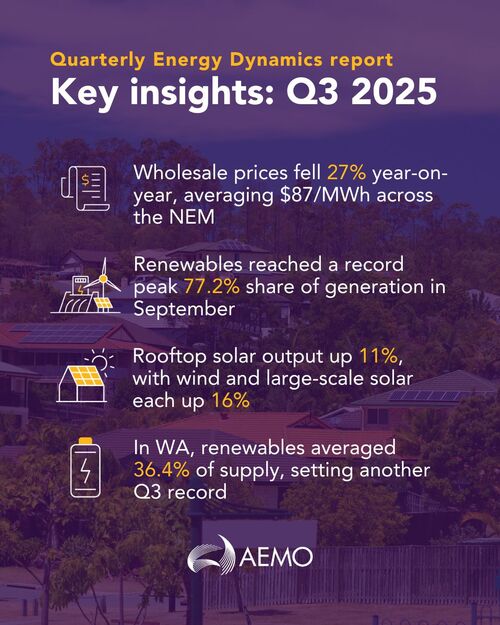
Wholesale electricity prices in Australia's east coast grid fell by 27% compared to the same quarter last year and 38% since the previous quarter, off the back of record renewable power penetration, surging battery uptake and lower coal and gas output, according to the AEMO.
Climate change and energy minister Chris Bowen quickly moved to say the new data backs the case to grow Australia's renewables.
"Australia has the best wind and sun to power our future – and it's working," he said. "Record levels of renewable energy and batteries are powering Australian homes and businesses – protecting consumers from unreliable coal and driving down wholesale energy prices.
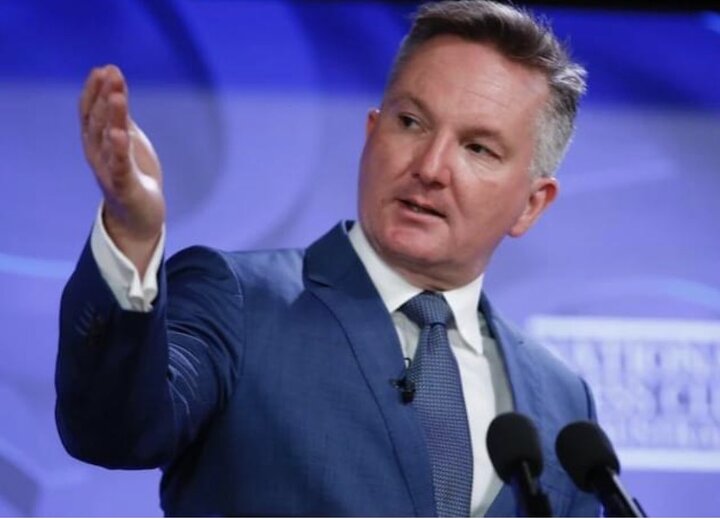
"The drop in wholesale price is good news – and should flow through to retail energy prices in the near term."
There's no pleasing some people
However, possibly taking the shine off this for Bowen will be the publication of an open letter today signed by more than 50 prominent industry leaders, including project developers, energy users, investors, and researchers, calling for the government to expand key federal initiatives to accelerate emissions reductions and unlock the economic potential of renewable natural gas (RNG).
The Renewable Gas Alliance - led by Bioenergy Australia - together with a wide range of industry leaders, has urged the government to broaden the eligibility of existing programs, including Hydrogen Headstart and the Hydrogen Production Tax Incentive, to include RNG projects.

Renewable natural gas (RNG), or biomethane, is produced from organic materials such as food and garden waste, agricultural residues and livestock by-products. It is compatible with existing gas networks, appliances, and industrial processes, offering a cost-effective pathway to reduce emissions across energy, manufacturing, industrial, and transport sectors.
"Momentum for renewable gas has never been stronger. With clear government support, Australia can accelerate investment, deliver practical emissions reductions, and build a cleaner, more resilient economy," said Shahana McKenzie, CEO of Bioenergy Australia.
"This is a proven technology already deployed globally. The opportunity to capture economic and environmental benefits here in Australia is enormous - but only if policymakers act now," she added.