This article is 16 years old. Images might not display.
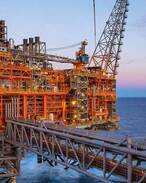
Transocean and BP, whose well the rig was drilling, are working together with the US Coast Guard to search for the crew members, fight the fire on board the semi-sub as well as for pollution response and salvage operations.
The remaining 115 members of the crew are safe though 17 were injured and had to be evacuated from the scene.
Transocean vice-president Adrian Rose told media the explosion appeared to have been caused by a blowout, though the cause of the disaster is still being investigated.
Rose said the crew had drilled the well to its final depth, more than 18,000 feet, and was cementing the casing at the time of the explosion.
"They did not have a lot of time to evacuate. This would have happened very rapidly," he said.
Coming less than a year after the crude oil and gas leak at the Montara platform in the Timor Sea which led to an explosion gutting the West Atlas jack-up drilling rig, the latest incident could put drilling practices under closer scrutiny.
An inquiry into the Montara incident, where no one was hurt, found the H1 well which leaked did not comply with PTTEP's internal well construction standards, with a flawed cementing job and the lack of a pressure corrosion control cap possibly contributing to the blowout.