The week in review

With the announcement from the environment minister Murray Watt this week that he proposes to approve Woodside's application to extend the life of their North West Shelf project by another 40 years, it can honestly be said that this week was a momentous one in the Australian energy sector.
After months of uncertainty - and a full six years after the application was initially lodged - Meg O'Neill's plans have received the federal government's seal of approval and bar any issues with meeting the conditions set by the minister (TBC at this stage) and any legal challenges (TBH quite likely), the project's longevity has been assured.
Beyond the spin, beyond the political arguments, beyond the executive pay packets and bonuses, and beyond the headline grabbing concerns about doctored scientific reports, the impact on emissions and cultural heritage - what does this really mean for Australia?
It means jobs. It means prosperity. And it means stability. Not just for the well paid, white collar workers in Woodside's plush city centre offices but for thousands of men and women who rely on the ongoing operations in WA's northwest and offshore.
As O'Neill said within an hour or so of Watt's announcement: "These employees are hardworking individuals who are committed to keeping the gas flowing to customers in Western Australia and abroad, and have been grappling with the uncertainty around what happens if they don't get the project extension beyond 2030."
With bills to pay and families to support, job security is one of the most over-riding pressures in our western, capitalist society and this decision - if it does get the full seal of approval - provides just that to many thousands of people both already in the workforce and entering it in the future.
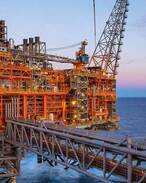
The first LNG cargo left for Tokyo from the North West Shelf in July 1989 and for almost 40 years Woodside's flagship LNG plant has been processing gas and condensate extracted offshore at the North Rankin, Goodwyn A, and Angel platforms, all about 125 km north-west of Karratha in waters up to 130m deep.
In its lifetime more than 6500 LNG cargoes have been dispatched from what has become and still is Australia's largest export facility, with a current annual export capacity of 14.3 million tonnes.
Of that colossal amount, less than 15% is used domestically (and only about 14% is used locally in WA) with the rest being exported to Asia, with the biggest buyers being Japan, China and South Korea. Woodside is a business, a very profitable one, and until government instruments say otherwise it can sell its wares to whoever it likes.
The North West Shelf project almost 900 workers and 1300 contractors, supported by more than 700 businesses and thousands more indirect jobs. More than three-quarters of Woodside's gas plant employees live in Karratha, and the rest are FIFO, with all that entails.
It's not glamourous and it's not easy and it is certainly not without risk, but it's the chosen way of life for thousands of people in this country who deserve a well paid job as much as the next person.
Yes there's huge concerns about the ancient Murujuga rock art, about the country's emissions levels and about the impact on marine wildlife if Browse gets the knock-on greenlight. And those issues will need to be addressed and there are plenty of people who make that their life's work and will continue to do so.
But perhaps just for a moment, walk a mile in the shoes of a blue collar gas worker and allow them a little moment of celebration and relief as they blow the froth off a cold one this weekend.
Yours,
Russell Yeo
Editor
Energy News Bulletin
To get the best analysis and insight of what's happening in APAC's energy sector, sign up for a free trial.