The week in review
More evidence came to light this—as if it was ever needed—of the tortuous approvals process through which developers of energy projects must navigate.
While energy watchers might think it's only the increasingly unfashionable oil and gas industry that struggles to get their projects over the approvals line - laden as that maze is with state and territory red-tape - an exchange this week between the Prime Minister Anthony Albanese and a journalist at a press conference in Tasmania show that renewable projects can also get stuck.
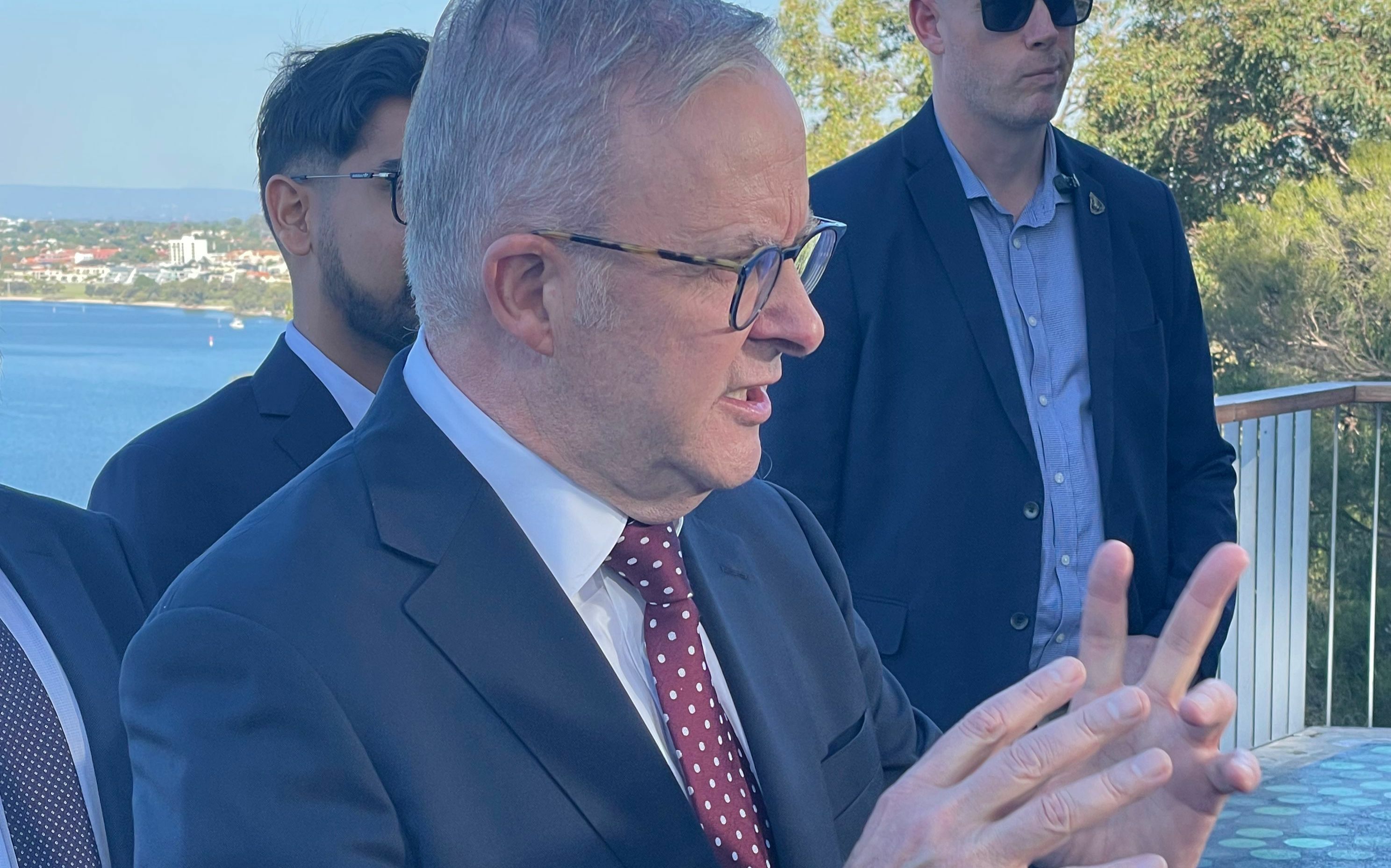
The PM was in Launceston to make an announcement about early childhood education and made time to answer some questions from the assembled journalists.
One of the press pack asked the PM about the announcement a couple of days earlier from Murray Watt, the environment minister, that the decision on whether or not to approve the plan for the Robbins Island windfarm off the coast of the Apple Isle had been delayed for a sixth time.
When challenged by a journalist about these ongoing delays, the PM's comments echoed those he had previously made about the delays in the approval of Woodside's application to extend the life of their North West Shelf project.
"The state government had that assessment for seven years. Seven years we were waiting. So, the new Minister quite rightly is showing due diligence with the project," said Albanese.
In fact, in comparison to the Robbins Island project, Woodside's application has been swift (I use that term advisedly), having spent only six years being considered at the state level and having been delayed by the federal environment minister merely three times.
When pressed further, the PM's comments were again somewhat familiar.
"I support the Environmental Act being applied and the law being applied, and that's what the Minister will do…It needs to go through the appropriate approvals," he said.
ACEN wants to spend $3 billion on building a two wind farm project - one of the largest private investments ever made in Tasmania.
Under the plan, about 200 wind turbines, with a total generating capacity of about 900 MW, would cover two-thirds of the privately owned Robbins Island. The electricity would be supplied to Tasmania, with any excess being transmitted to Victoria by the Basslink and Marinus Link. In addition to the wind turbines, there is also the potential to install up to 20 MW of solar and associated batteries on the site.
The plan was approved by Tasmania's environmental protection authority (EPA) in December 2022 and by the local government authority in December 2023.
According to the brief statement released by the Department of Climate Change, Energy, the Environment and Water (DCCEEW), Watt will announce his decision by 29 August.
Whether that deadline will be pushed out any further is anyone's guess.
Yours,
Russell Yeo
Editor
Energy News Bulletin
To get the best analysis and insight of what's happening in APAC's energy sector, sign up for a free trial.