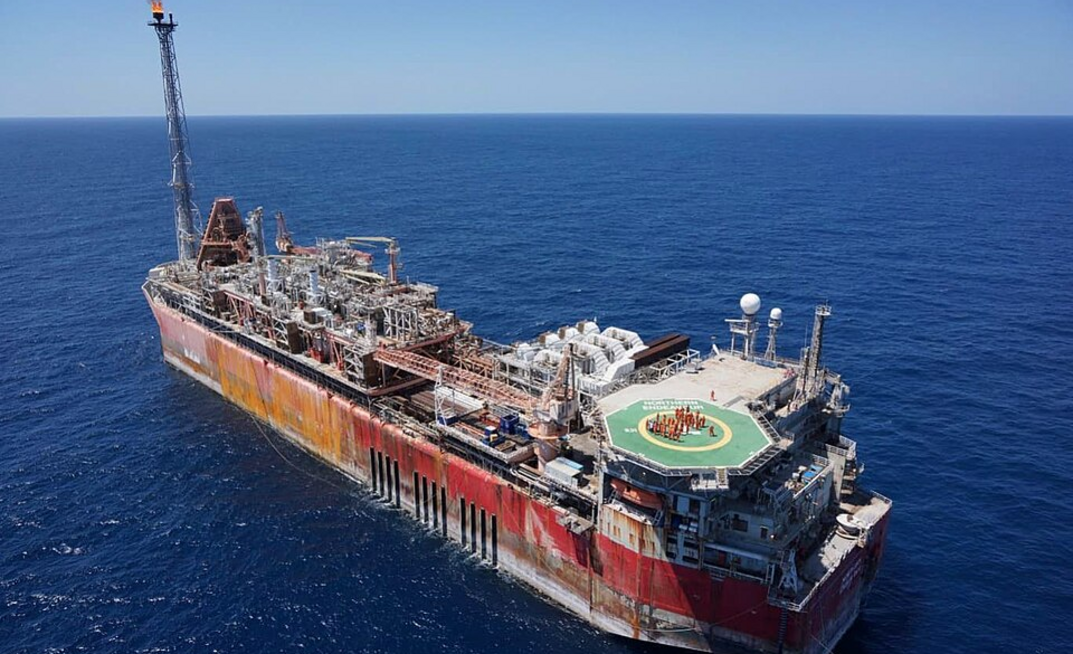


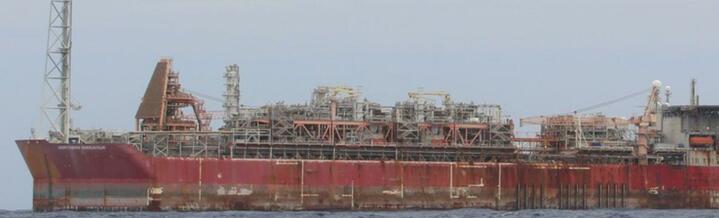
The lack of decommissioning facilities and expertise in the Australian maritime and energy sectors has been laid bare today with the announcement that the Northern Endeavour floating production storage and offtake vessel (FPSO) will be towed to Denmark to be dismantled.
While the decision has been described by the federal government as the best option to meet its aims, it also shows the lack of expertise in this increasingly important sector.
YOU MIGHT ALSO LIKE
A spokesperson from the Department of Industry, Science and Resources (DISR), which is overseeing the vessels end of life, said the work will be done by Modern American Recycling Services, Europe (MARS).
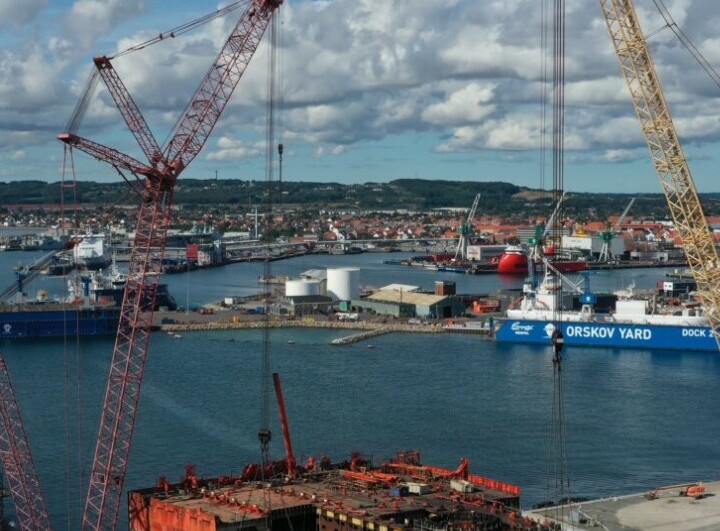
"We contracted MARS following a global, competitive open tender...MARS best met the government's aims for this important decommissioning work after a global, competitive, open tender," they added.
Under the contract, MARS will recycle the FPSO and manage the waste streams, including hazardous waste. The government said the priority is for MARS to complete the work to high safety and environmental standards and meet all Australian and international requirements.
As part of the plan COSCO Shipping Heavy Transport will dry tow the FPSO to Denmark using their semi-submersible heavy transport vessel, the Hua Rui Long where MARS complete the recycling at its ship recycling facility in Frederikshavn.
While the government's statement proclaims: "There are no purpose-built facilities in Australia equipped to recycle a vessel as large and complex as the Northern Endeavour FPSO," predictably, the unions representing workers who could have benefitted from this significant body of work aren't happy.
Paul Farrow, the national secretary of the Australian Workers' Union said: "It is deeply disappointing to see the government considering shipping the Northern Endeavour overseas rather than harnessing this opportunity to support local industries and workers. Decommissioning offshore facilities domestically isn't just about preserving jobs—it's about creating new ones and bolstering our steel manufacturing capabilities.
"We strongly urge the government to reconsider this proposal. The Northern Endeavour and other decommissioned facilities represent not just environmental responsibility, but an important economic opportunity for Australian industry and communities."

An unnamed Maritime Union of Australia leader said they were of the opinion that Australia does have the capacity for recycling the Northern Endeavour domestically, but that the government's "extremely narrow" procurement policy left brought the Danish out on top.
"Going for the bottom line, without any consideration of what it would mean for the generation of local economies and workforce capacity. Northern Endeavour aside, we still need to handle the remaining six million tonnes of infrastructure to come ashore," said the source.
"We've known this task was coming for some time, yet the department are sitting on their hands rather than mobilising a whole of government approach for both the offshore and shoreside components of decommissioning.
"The workforce is ready, the local businesses want the work, what's expected from government is the industrial development and leadership that they have been talking up for several years now,' they added.
The need for investment in Australia's decommissioning capabilities has been on the government's radar for some time.
The ALP National Platform from August 2023 states: "Labor will establish an Australian decommissioning industry...Labor will work with industry to establish shared infrastructure requirements such as membrane-protected yards and vessels to carry out decommissioning, dismantling and recycling works."
And in September of the same year the resources minister Madeleine King told parliament: "As industry starts investing to decommission $60 billion in offshore infrastructure, we want as much of that investment to be spent backing Australian industry and Australian jobs."
The following month Macquarie University released a report calling for dedicated sites to handle Australia's emerging decommissioning industry, with academics and policy experts warning of a looming shortfall in onshore dismantling infrastructure—particularly in WA—and recommended investment to develop domestic ports, yards and recycling capacity.
But despite these proclamations little has been done, with the MUA calling for the Laminaria-Corallina Levy - established by the government in the wake of the Northern Endeavour debacle – to be reinvested into building domestic dismantling infrastructure—starting with a dedicated decommissioning marine terminal in Western Australia.
The industry levy was designed to recover the public costs of decommissioning infrastructure abandoned by industry. With up to $1 billion to be collected from offshore oil and gas operators, the union say the fund is well placed to support investment in sovereign capacity that prevents further regulatory failures.
The MUA's national assistant secretary Thomas Mayo said "The levy was created because industry has shirked its responsibility. The best use of those funds is to build the very infrastructure that ensures this never happens again."

"This is a chance for the government to turn a failure into a foundation. Public money should build public benefit—not subsidise foreign shipbreakers".
"This should have been the cornerstone of a new era of green manufacturing in Australia, we should be feeding that steel into an Australian electric arc furnace, not shipping it to Scandinavia on a foreign-flagged vessel."
MUA National Secretary Paddy Crumlin said, "Towing the Northern Endeavour to Norway for dismantling is not just an absurd outsourcing of jobs—it's a 15,000-nautical-mile climate contradiction. By the time it gets there, we'll have burned more fuel hauling steel across oceans than it would take to recycle it here at home.
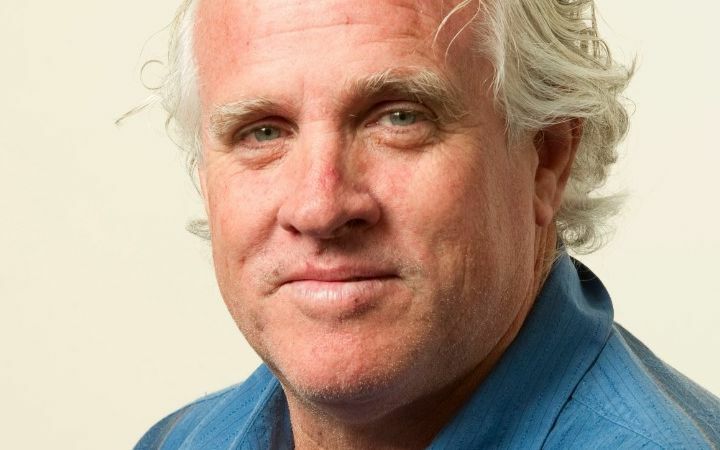
"The ALP's own platform commits to establishing a domestic decommissioning industry that secures local jobs and ensures world-class environmental standards. Yet here we are exporting a prime opportunity to do just that."
The outsourcing of the decom work highlights the work being undertaken by the Centre of Decommissioning Australia (CODA), established in 2021 to increase domestic capability.
CODA's CEO Francis Norman said while the decision highlights the future opportunity for Australia, it also flags the need for the country to continue to evaluate and where appropriate upgrade its port facilities to capture as much work as possible in the future.
"We can see this beginning to happen in Gippsland where Esso are preparing the Barry Beach facility to receive their structures in 2027/28 and in WA at Onslow and Ashburton.
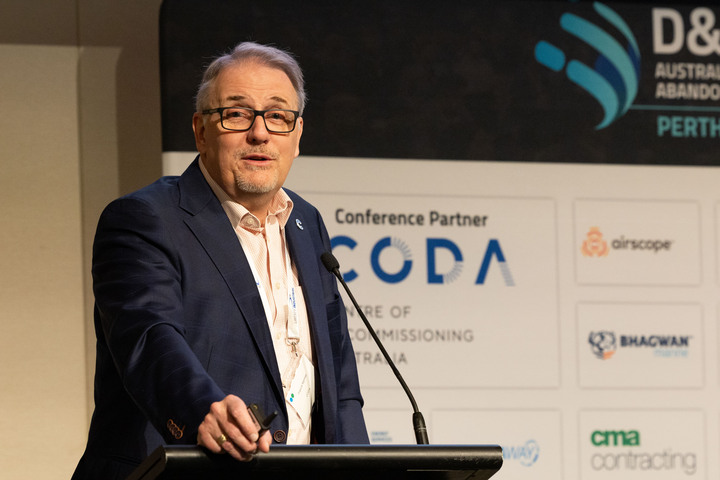
"We know that in coming years we will see a steady increase in the removal of large, fixed structures, particularly off Western Australia.
"These would typically be easier to manage into Australian ports than floating platforms such as the Northern Endeavour and several of our existing ports could be reasonably economically modified to accommodate this work." abandonment conference, Shane McWhinney from the Northern Endeavour team at DISR, said: "The government's drivers - perhaps obviously, perhaps not - are a little bit different to industry's.
"We're not just looking to deliver this decommissioning program in the cheapest possible fashion. The government was quite clear all the way through that the number one priority they had was safety of people and protecting the environment. And if that was going to cost a bit more, that's fine."