

ExxonMobil's exit from Australia after more than six decades has sent shockwaves through the energy sector, igniting a fresh debate over the regulatory and policy environment that some say has pushed the global energy giant out the door.
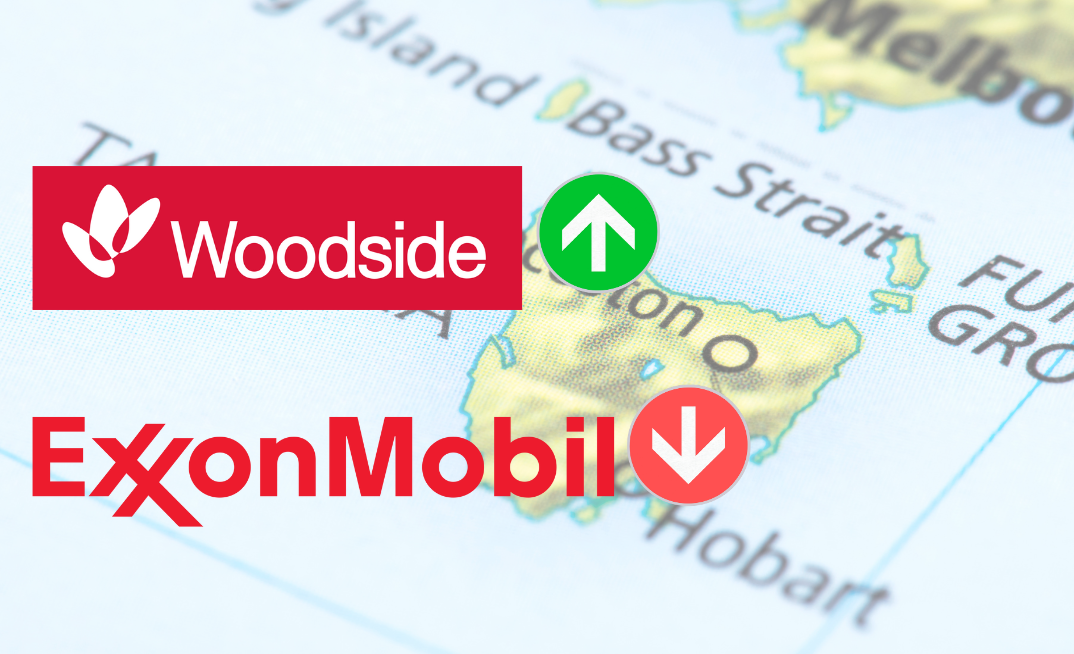
The company handed control of its Gippsland Basin operations to Woodside Energy yesterday, in a deal involving no money changing hands, amid worsening forecasts for east coast gas shortfalls.
YOU MIGHT ALSO LIKE
While the move took many by surprise, industry sources say it was a long time coming.
ExxonMobil's local arm, Esso, has been subject to a relentless campaign from environmental groups over its Bass Strait clean-up plans. Despite community outreach and ad campaigns, critics say the company isn't doing enough—especially with its proposal to leave some subsea gear behind.
It was a build-up of a bunch of things," one insider said, pointing to mounting frustration within Exxon over regulatory hurdles and environmental opposition that made Australian operations increasingly unattractive.
Those remarks echo sentiments expressed by ExxonMobil executive David Berman at the 2025 Australian Domestic Gas Outlook Conference, where he warned that policy and regulatory risks had overtaken engineering and geological challenges as the primary barrier to gas project delivery.
As ExxonMobil reorients its focus toward the ASEAN region, attention now turns to Woodside's ability to fill the gap. The company has flagged up to four new wells to deliver east coast gas, but recent AEMO filings show resource estimates have been downgraded by about 70% —from 92 petajoules to just 27.3 PJ.
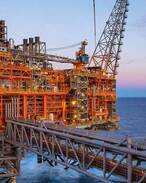
With the Longford gas plant set to shut by 2033 and AEMO forecasting gas shortages as early as 2027, pressure is mounting on Woodside to accelerate field development and complete critical offshore platform work.
As the dust settles, questions are swirling over who failed to heed Exxon's warnings—and who should be held responsible for the regulatory and investment climate that led to the company's departure.