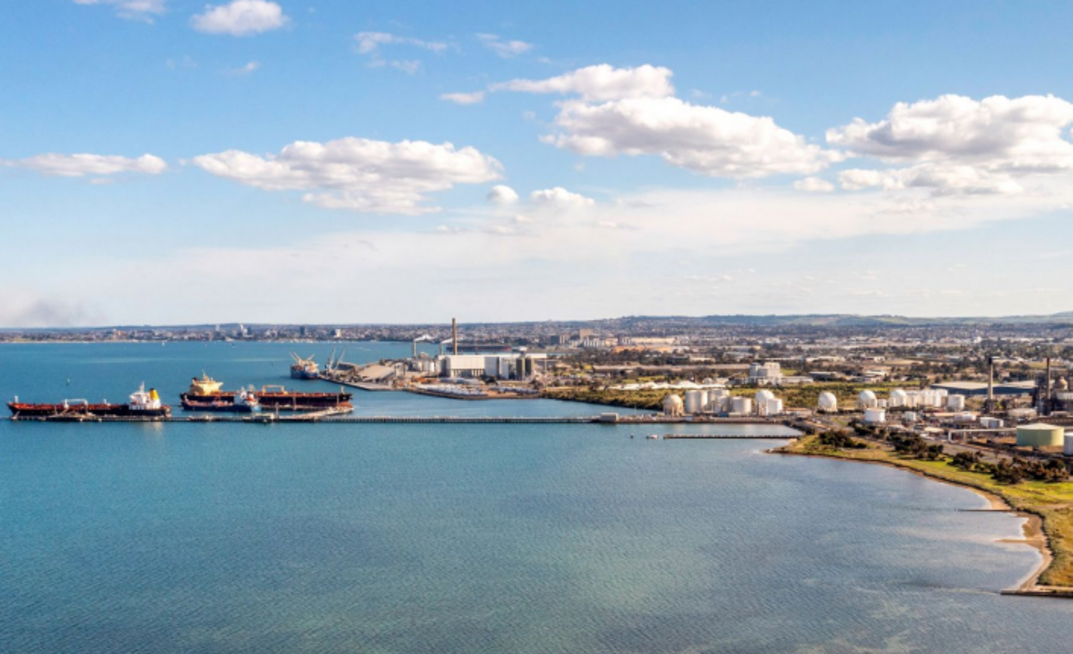


APA Group has cautioned that Viva Energy's proposed LNG import terminal at Geelong would require major upgrades to the South West Pipeline to prevent Victorian gas from the Iona storage facility being pushed out, setting up a battle over a critical energy link.
The $300 million terminal — approved by Victoria to supply 120 petajoules a year from 2028 — may be scrapped unless it secures access to the pipeline, intensifying a dispute over the state's future gas security.
APA and existing users, including Beach Energy and Lochard Energy, argue the tie-in could squeeze out domestic supply and drive up costs, while Viva says new imports are essential as Bass Strait production declines.
However, the growing dispute threatens a central pillar of Victoria's gas strategy as Bass Strait output wanes, raising the spectre of higher prices, pressure on manufacturers and costly, duplicative infrastructure.
YOU MIGHT ALSO LIKE

"AEMO's Victorian Gas Planning Report (VGPR) has been clear that, in the absence of an augmentation of the South West Pipeline, injections from Viva's proposed LNG import terminal will restrict supply from the Iona gas storage facility," APA executive Darren Rogers told Energy News Bulletin.
While pledging continued investment in the pipeline, Rogers stopped short of backing a direct tie-in to Viva's project, warning it could see higher-cost, higher-emissions LNG prioritised over Australian gas.
Spot Asian LNG prices during recent summer and winter peaks were 50%–80% above the federal government's $12/GJ wholesale cap, he said.
"APA strongly believes that any LNG import terminal should compete on equal footing with other supply sources. Our focus must be on prioritising the lowest cost gas for consumers and businesses in Victoria," he said.
However, Viva Energy rejected claims its Geelong LNG terminal would saddle consumers with extra infrastructure costs, citing AEMO's past two VGPRs, which found the project would lift SW Pipeline capacity by 240 terajoules a day, or about 45%.
"This increase in capacity is achieved at no cost to the Victorian gas consumer, as it is given by the proximity of our injection point to the Melbourne market," a spokesperson for Viva told ENB.
"Further increases to the South West Pipeline capacity beyond 770 TJ/d are also achievable through other pipeline augmentations, including the use of the WAG pipeline, additional compression and pipeline looping and duplication. These options would require capital if capacity beyond 770 TJ/d is needed.
"Existing gas suppliers should not be disadvantaged. The Geelong facility is flexible infrastructure that seeks to fill identified Victorian market shortfalls by providing a route to market for gas from the nearest source of LNG supply, including Western Australia."