

For all the drama of the Abu Dhabi-backed consortium's retreat, those close to the deal say it was never a one-off. XRG's ambition is unchanged. It still wants a permanent LNG platform in Australia—a regional beachhead that provides throughput, flexibility and the scale to trade across Asia-Pacific. If Santos is off the table—and that is a big if—the hunt shifts to the next viable candidate.
The thesis hasn't moved. XRG is targeting LNG-centric businesses capable of moving more than one petajoule a day—about 7 million tonnes a year of LNG equivalent. That narrows the field to a handful of operators or regional business units with existing liquefaction capacity, brownfield upside and long-life feedgas.
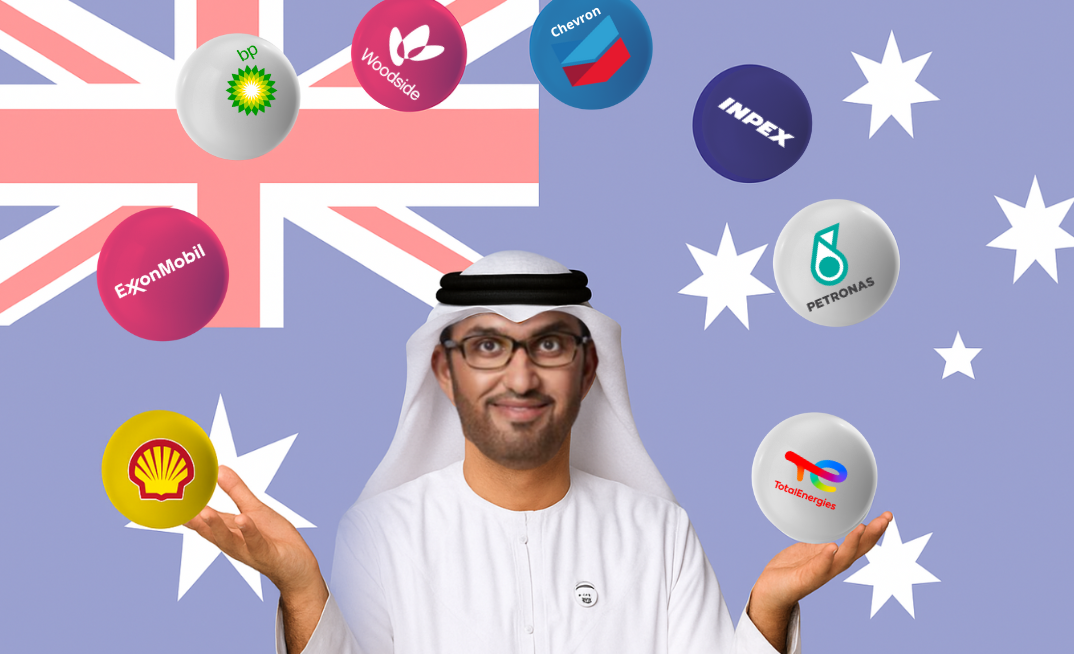
Names in the frame include Woodside, Chevron's Gorgon in the Pilbara, INPEX's Ichthys-anchored business in Darwin, BP's Indonesian LNG arm, ExxonMobil in Papua New Guinea, Shell in Malaysia and TotalEnergies in PNG. Each brings different attractions—and different headaches.
Woodside: the ready-made platform
YOU MIGHT ALSO LIKE
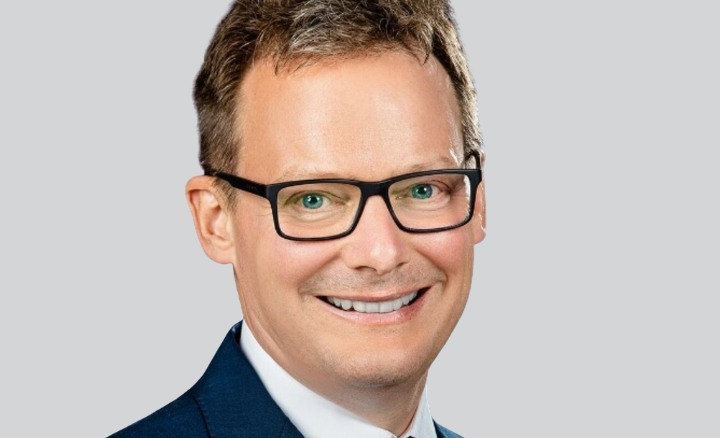
Molyneux Advisors' principal geoscientist and MD, Simon Molyneux, is blunt: "The most ready-made platform is Woodside."
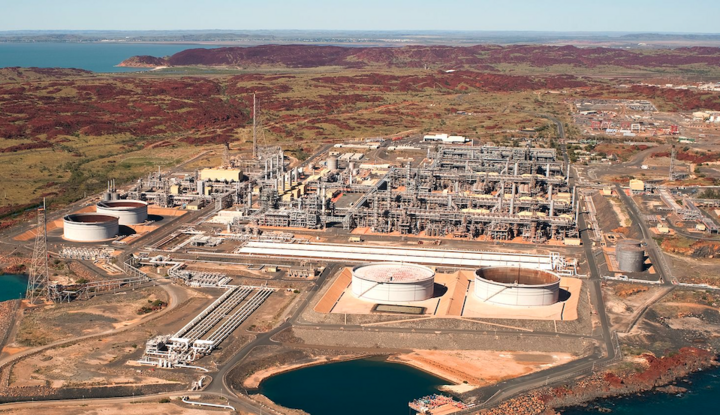
The logic is clear. Woodside's LNG portfolio comfortably exceeds the 1 PJ/day threshold, with North West Shelf (16.9 mtpa nameplate) and Pluto LNG (4.9 mtpa) forming the backbone. Its portfolio offers brownfield expansions, tiebacks and debottlenecking that deliver incremental returns without greenfield risk.
Operationally, Woodside retains significant marketing flexibility across its LNG equity, providing optionality to shift between long-term contracts and spot exposure. For XRG, that means a business capable of scaling without losing discipline.
But such a move would be ambitious, even for Abu Dhabi's deep pockets. Woodside is not Santos. It is larger, more complex and more expensive. Any deal would need to clear a gauntlet of regulators—FIRB, ACCC and an array of joint-venture partners—against a backdrop where energy security and decarbonisation are politically charged.
Still, if XRG wants "off-the-shelf" integration, Woodside is the next-level play.
Chevron Australia: an asset without appetite
Chevron has de-prioritised new Australian expansion under current policy and cost settings and has restructured its portfolio, including a 2024 asset swap with Woodside that sharpened each company's focus.
Its remaining portfolio—most notably Gorgon and Wheatstone—remains globally prized. For XRG, the attraction is straightforward: Chevron's retreat could translate into a seller's willingness to deal. A foreign-to-foreign transaction might face a smoother FIRB path than a new entrant acquiring a domestic listed company, but Australian review would still apply.
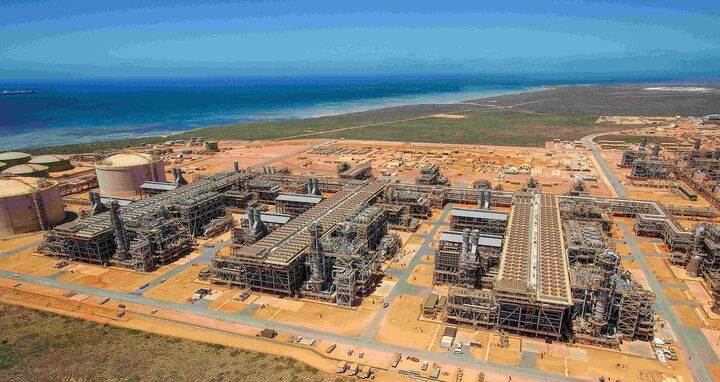
The difficulty is strategic fit. Chevron's LNG equity is immense but concentrated, and long-tail decommissioning liabilities could make any cheque eye-watering.
INPEX Australia: Ichthys LNG
Ichthys LNG in Darwin is a jewel. It boasts long-life reserves, expansion headroom and proximity to prospective PNG–Arafura aggregation. For XRG, the industrial logic is compelling. A Darwin hub could knit together multiple upstream sources into a regional platform.
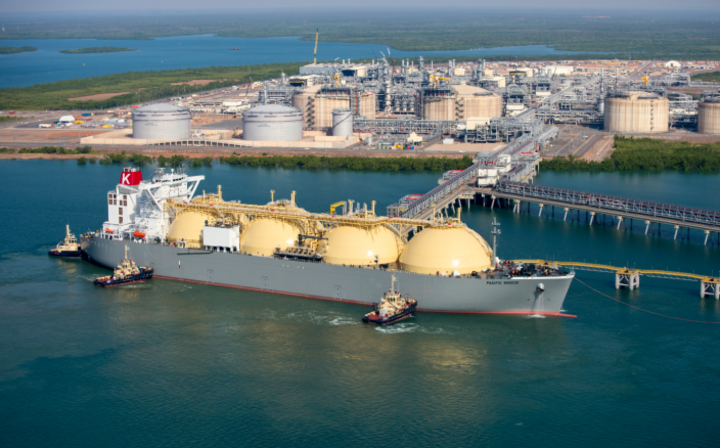
But ownership is the constraint. INPEX is majority Japanese-owned, with strong government backing. Any entry for XRG would almost certainly be structured as a minority partnership, not control.
BP Indonesia: Tangguh LNG
Indonesia's Tangguh LNG offers a natural gateway to ASEAN demand. Train 3 came online in 2023, lifting total nameplate to more than 11 mtpa.

The challenge is Indonesia itself: regulatory complexity, shifting fiscal terms, and the need for deep, long-horizon local relationships. For XRG, which values speed, Jakarta's labyrinthine approvals may prove too slow.
ExxonMobil PNG: PNG LNG and P'nyang
ExxonMobil's PNG LNG is tier-one: reliable, expandable, and backed by marketing clout. Combined with P'nyang and other prospects, it offers years of future cargoes.
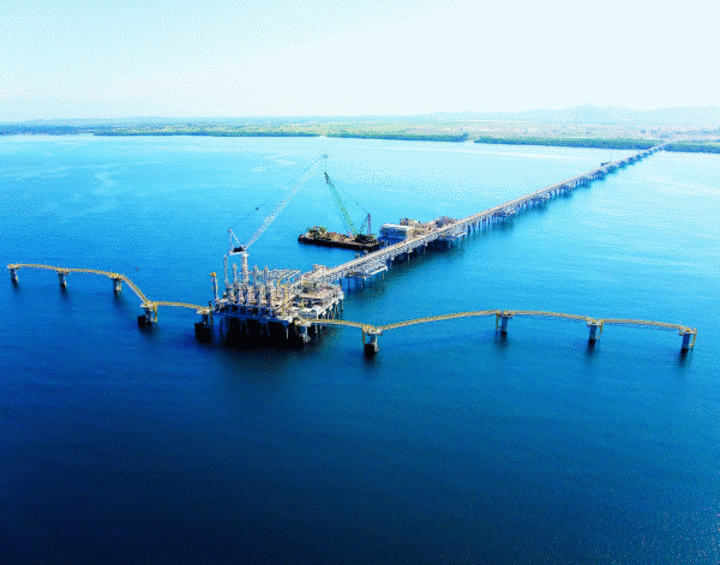
A PNG–Darwin "axis" is more conceptual than physical. It would be about trading and shipping geometry rather than pipelines. But it could provide a regional scale.
The risks are well known: political volatility, fiscal pressure, and the need for alignment with multiple sovereign stakeholders. For XRG, writing the cheque is only half the job; securing a licence to operate is the other half.
Shell Malaysia: upstream into Petronas LNG
Malaysia is a different proposition. Shell feeds upstream gas into the Petronas LNG system at Bintulu, one of the world's most stable export hubs. Brownfield tie-ins and repeatable projects abound.

But control is limited. Shell's positions are minority, and liquefaction is run by Petronas. That makes diplomacy more valuable than capital. For XRG, which is used to leveraging size, this may feel constraining.
TotalEnergies PNG: Papua LNG
Papua LNG, led by TotalEnergies, offers new LNG capacity with significant upside. The French major knows how to run complex joint ventures and has appetite for growth.
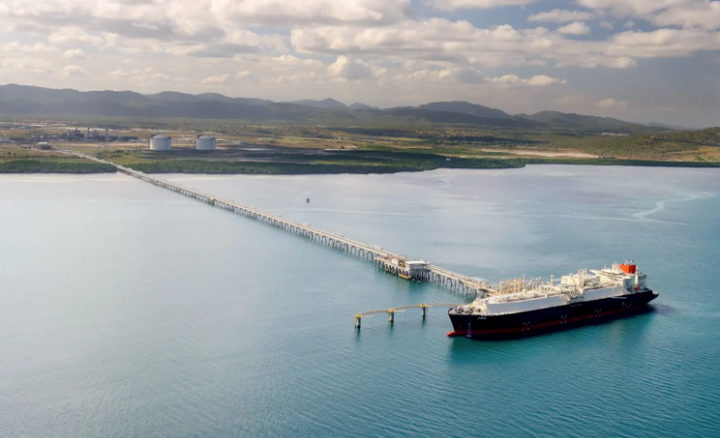
The difficulty is timing and risk. Papua LNG has delayed FID several times, with the latest guidance targeting the mid-2020s and first LNG closer to 2028–29. Sovereign and landowner engagement will be critical.
Not the only highway
Santos may have been the quickest route to a platform, but it was not the only one. For XRG, the real currencies are LNG scale, brownfield upside and the ability to navigate regulatory and sovereign risk.
Woodside leads on readiness. INPEX, PNG LNG and Papua LNG offer shapeable options if Abu Dhabi is willing to trade speed for control. Indonesia and Malaysia remain intriguing, but politically heavier lifts.
The lesson of the Santos collapse is that cheque size alone is not enough. In LNG, platform plays are as much about regulatory diplomacy and licence to operate as they are about gas molecules and liquefaction trains.
For XRG, the question is not whether there is another platform—it is whether it has the patience, and the structuring creativity, to land one.
London viewpoint
London-based analyst Livio Piano says PNG should not be overlooked.
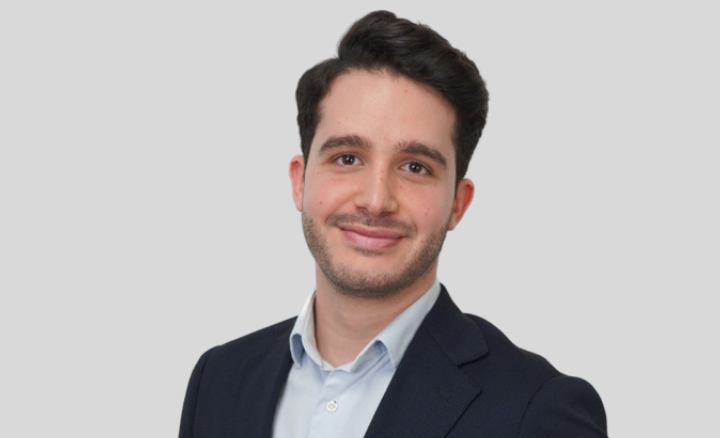
"We've seen UAE–PNG relations warming noticeably since the start of 2025. The natural next step could be XRG's interest in PNG LNG or other PNG assets."
Diplomatic ties between Port Moresby and Abu Dhabi, only formalised in 2017, have accelerated in recent years, with trade, aviation and investment agreements moving forward. PNG's Trade Minister Richard Maru has also welcomed foreign investment from XRG, provided "national interest" tests on jobs, local shareholders and ongoing investment are met.
Piano argues that those conditions are unlikely to block a deal.
"The improving PNG–UAE relationship reduces the risk of government opposition," he said. "It points to constructive ties that could smooth deal messaging."