

Tamboran Resources has reached a long-awaited final investment decision on its Shenandoah South pilot in the Northern Territory's Beetaloo Basin, marking a critical step in efforts to unlock a new source of east coast gas supply as pressure mounts on policymakers and industry to secure domestic energy needs.
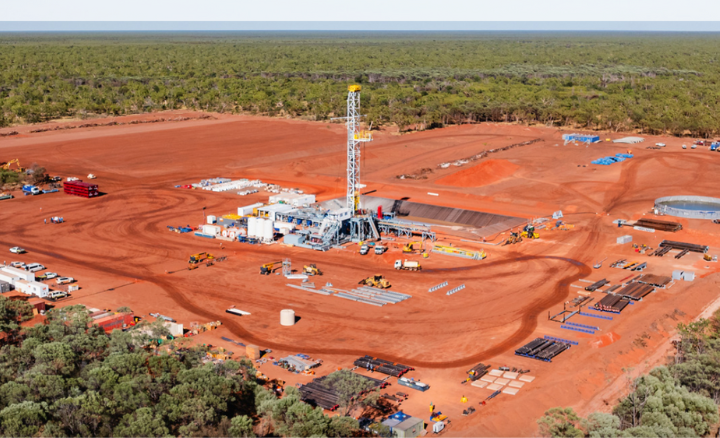
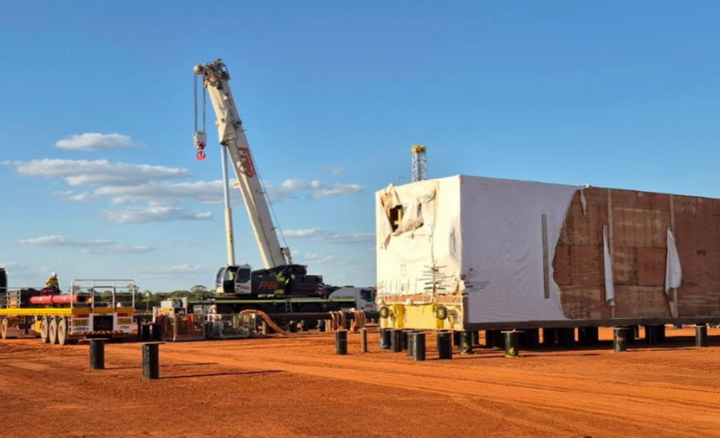
The $180 million commitment will see Tamboran and its Beetaloo partners move ahead with a two-well development and processing facilities aimed at delivering first gas to market by mid-2026.
The project, located south of Daly Waters, is designed to prove up the viability of Beetaloo shale gas production on a commercial scale—an ambition that has eluded explorers in the region for more than a decade.
YOU MIGHT ALSO LIKE
Strategic importance for the east coast
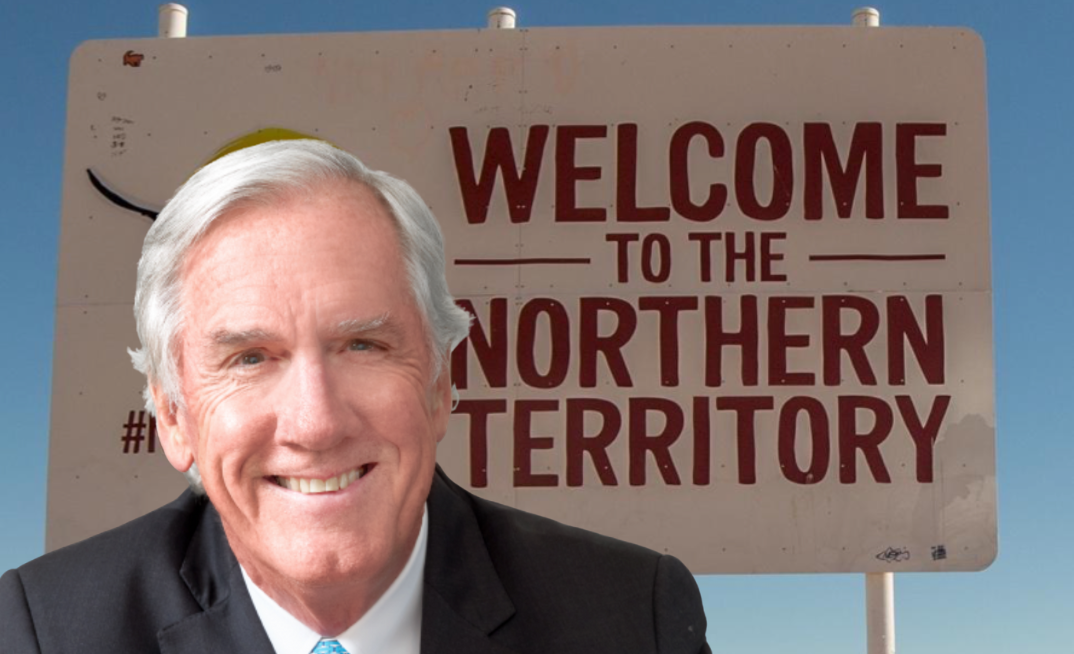
Tamboran interim CEO Dick Stoneburner said sanctioning the Pilot Project was a pivotal milestone for the company, the Beetaloo and the NT, arriving at a time of acute need.

"I believe the Beetaloo Basin has the potential to transform not only the Northern Territory, but Australia's east coast as a whole," Stoneburner said.
"This project is expected to deliver energy security to Territorians and provides a pathway to potentially securing long term energy security for Australia's East Coast gas market, which is anticipated by both the ACCC and AEMO to be in shortfall later this decade."
Gas from Shenandoah South is earmarked for sale into the east coast grid via a tie-in with APA Group's pipelines. In parallel, export potential remains on the horizon, with LNG proponents eyeing Beetaloo molecules as future feedstock once sufficient scale is reached.
For Canberra, the project is significant. The federal government is weighing reforms that could force LNG exporters to allocate a minimum share of production to domestic users. If Tamboran can establish Beetaloo gas as both technically feasible and cost-competitive, it could relieve pressure on policymakers grappling with a forecast shortfall from 2028.
A long road to FID
The journey to today's announcement has been fraught. Since the Beetaloo was thrust into the spotlight nearly a decade ago, explorers have faced the twin challenge of proving extraction could be both technically successful and commercially viable.
Drilling programs delivered promising flow rates, but investors remained sceptical about whether production could be sustained at scale and at a cost competitive with offshore and imported LNG. Tamboran and its partners were forced to run extensive pilot wells, reservoir stimulation programs and extended production tests to validate the shale's potential.
Complicating matters further, the sector has navigated regulatory uncertainty and vocal opposition from environmental groups concerned about water use and greenhouse emissions. Only in 2022 did the NT government finalise its framework for onshore gas development, giving investors the confidence to proceed.
The Shenandoah South pilot is intended as the proof point. If the wells deliver consistent flows and the processing hub runs as designed, Tamboran hopes to move quickly to a larger development phase that could feed both the domestic market and LNG export channels.
Financing and partnerships
Tamboran has stitched together a financing package of up to $179.8 million to fund the pilot. APA Group has signed on to develop and operate midstream infrastructure, while the NT government has backed the project as a jobs generator. Agreements with native title holders and the Northern Land Council have also been secured, helping to de-risk land access.
But, questions remain over whether the economics will hold beyond the pilot. Unlike the US, Australia's shale lacks scale, though some analysts cautiously argue the Beetaloo could rival the Permian. Sustained success, however, hinges on drilling costs falling, infrastructure build-out and timely regulatory approvals
What comes next
First gas sales are targeted for mid-2026, with volumes initially modest but of symbolic significance. If successful, Tamboran could trigger a new wave of investment into the Beetaloo, reshaping east coast supply dynamics and opening a potential export play.
But failure would reinforce investor doubts about the basin's ability to compete with imports and offshore LNG, leaving the east coast more exposed to supply risks and volatile pricing.
For now, Tamboran has staked its claim. After years of promise and frustration, the Beetaloo finally has a project moving from exploration into early production—a milestone that could determine whether one of Australia's most ambitious shale plays lives up to its billing.