

Woodside Energy's search for a new CEO is sharpening investor focus on whether the company will tilt back toward its core oil and gas business as returns from its US ammonia and LNG expansion come under closer scrutiny.
The leadership transition follows Meg O'Neill's departure to take the top job at BP. Woodside has said its strategy remains unchanged, but shareholders are increasingly debating the company's direction as global energy majors quietly shift emphasis from expansive transition bets toward tighter capital discipline.
At its capital markets day in November, Woodside reaffirmed a strategy centred on LNG and oil growth, along with selective investment in new energy, with the new CEO inheriting a portfolio that many investors now see as increasingly unbalanced.
Woodside has spent about US$2.5 billion since 2021 on new energy products and lower-carbon services, framing those investments as long-dated strategic options rather than near-term earnings drivers. The centrepiece is the United States, following the $1.2 billion acquisition of Tellurian and its Gulf Coast LNG and ammonia assets.
YOU MIGHT ALSO LIKE
Louisiana LNG drives investor unease
Louisiana LNG, a project with total forecast capital expenditure of about US$17.5 billion, sits at the centre of investor concern. Woodside has said the project clears its capital allocation hurdles with an internal rate of return above 13%, but shareholders are questioning whether those economics can be sustained through the cycle given construction risk, market exposure and relatively low gearing.
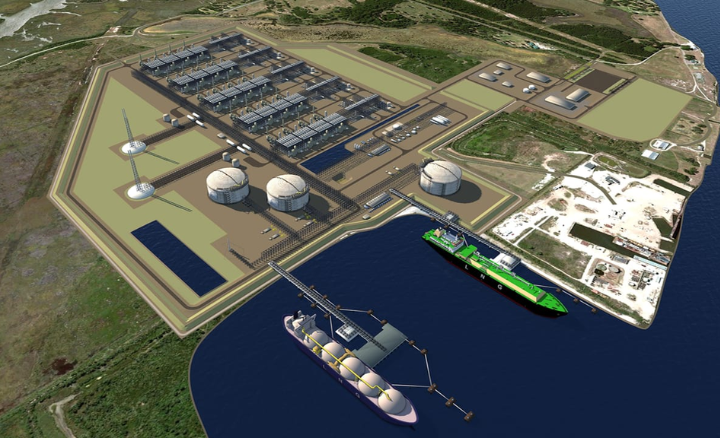
That scepticism has grown as US LNG margins tighten. Higher domestic gas prices and softer overseas benchmarks have narrowed the export arbitrage to Europe and Asia just as capital commitments peak. Demand signals from China have also weakened, with customs data showing LNG imports fell 31% year-on-year in the first four months of 2025.

"In terms of Louisiana, investors are asking how Woodside can generate >12% returns from what is typically around a 9% return sector in the US," said ACCR senior oil and gas analyst Alex Hillman.
Against that backdrop, some investors are openly debating impairment risk at Louisiana LNG. Woodside has not flagged any write-down and continues to back the project's long-term strategic value, but the discussion highlights heightened sensitivity around capital allocation as spending accelerates.
Scarborough anchors near-term cash flow
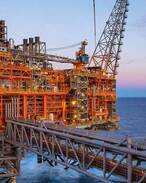
By contrast, Scarborough remains Woodside's clearest near-term cash flow lever. The offshore gas project is targeting first LNG in the second half of 2026 and is expected to lift earnings and free cash flow. Even so, many investors argue that much of the upside is already priced into the shares, limiting its impact on valuation.
Operationally, Woodside continues to progress legacy offshore work in Australia. The national offshore regulator has approved new environmental plans covering permanent plug-and-abandonment and well-intervention activities on subsea wells linked to the North West Shelf, including Angel and Perseus-over-Goodwyn fields infrastructure.
Hillman agrees Scarborough will lift near-term cash flow but cautions investors against expecting a share-price rerating when production begins.
"This should have minimal future impact on shareholder returns if the market has already factored this into its forecasts," he said.
Ammonia push reaches milestone, but doubts linger
At the same time, Woodside is pressing ahead with early milestones on its US ammonia strategy. The company recently confirmed that its Beaumont New Ammonia facility in southeast Texas has produced first ammonia following systems testing, marking the initial phase of commissioning.
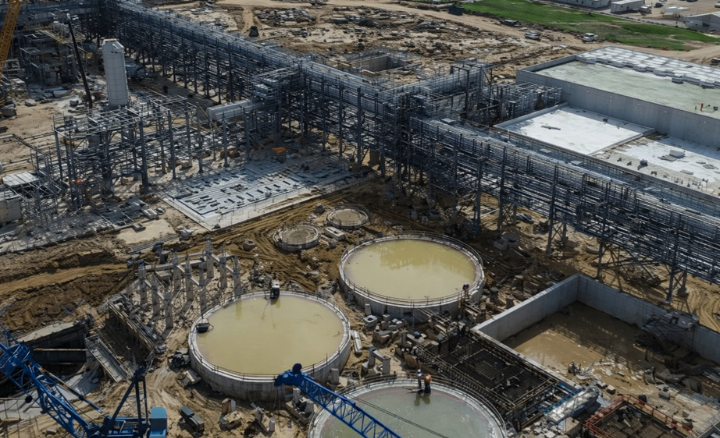
Beaumont is central to Woodside's ambition to build a lower-carbon fuels business, with ammonia intended to be paired with carbon capture and storage to reduce emissions intensity. But global demand for clean ammonia remains nascent, capital costs are high and policy support uneven, raising questions over scale, timing and returns.
Some analysts believe a new CEO could slow or reshape the ammonia strategy in favour of higher-return LNG and oil projects, particularly as Woodside digests its recent US acquisitions. Others point to the board's commitment to invest US$5 billion in new energy and lower-carbon products by 2030, suggesting any change is more likely to be a recalibration than a retreat.
Reinforcing the continued importance of gas, Woodside has also signed a long-term LNG sale and purchase agreement with Türkiye's state-owned pipeline operator BOTAŞ, adding to its portfolio of long-dated contracts and underlining the resilience of LNG demand despite near-term volatility.
The contrast between steady progress in LNG contracting and offshore petroleum approvals, and the more tentative economics of ammonia, highlights the strategic crossroads facing Woodside. With a new CEO yet to be named, investors are watching closely for signals on whether the company will double down on its oil and gas strengths or pursue a broader, more capital-intensive transition strategy.
Woodside has declined to comment.