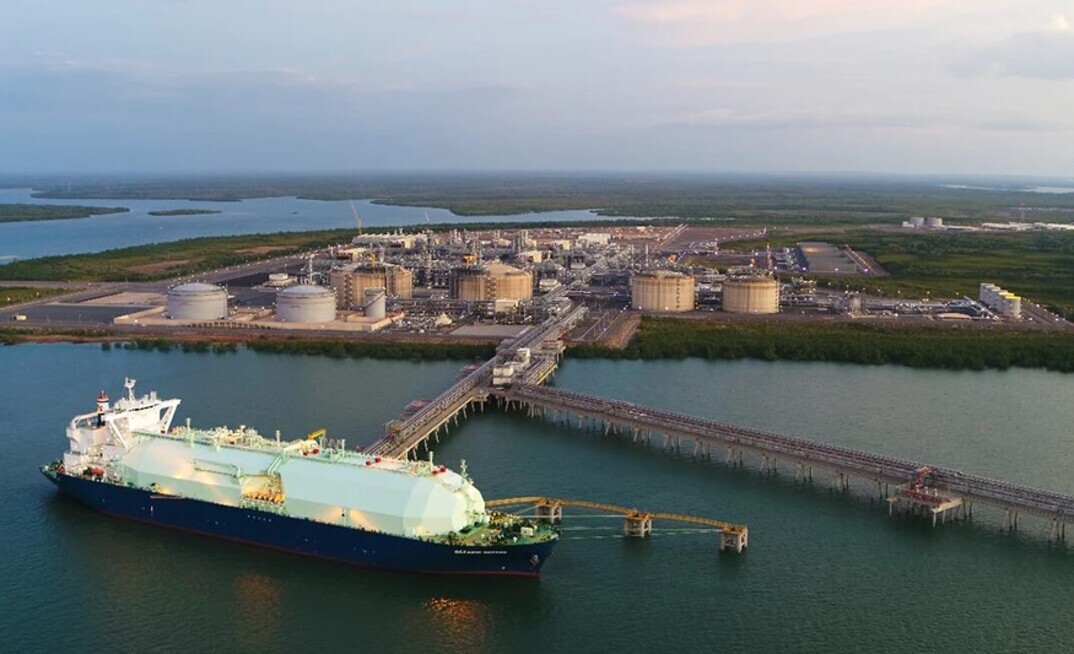


The Northern Territory's deputy chief minister says the Darwin community has had a "lucky" escape, as reports are published into INPEX's under-reporting of emissions from their Ichthys LNG (ILNG) plant that slam the company's documentation and quality check processes.
In October INPEX admitted to the Northern Territory Environmental Protection Authority (NTEPA) and the Territory's chief health officer (CHO) that they had accidentally under-report the extent of benzene and toluene emissions (BTEX) from the ILNG by more than 13,000% and accordingly revised up their data.
The Japanese firm reported its 2022 estimate of 4.12 tonnes should have actually been 556.9 tonnes.
Both the NTEPA and the CHO subsequently engaged air quality expert consultants to review INPEX's data and modelling to ensure accuracy and completeness.
YOU MIGHT ALSO LIKE
Today those reports have been made public with INPEX's record keeping coming in for particularly strong criticism.
NTEPA report
The NTEPA commissioned Air Environment to conduct an independent technical review of the ILNG emissions data, air quality modelling and monitoring programs.
The report found fault with INPEX's documentation and reporting processes.
"The systematic underestimation of volatile organic compound (VOC) emissions, particularly from acid gas removal operations, represents a significant compliance and environmental reporting issue.
"The identified deficiencies suggest the current emission estimation method is fundamentally inadequate for accurate public reporting of industrial emissions from this major LNG facility," the report's authors concluded.
They added that a "comprehensive methodology overhaul is required…before the emission estimates can be considered reliable for regulatory compliance or environmental impact assessment purposes."
In conducting their investigations Air Environment analysed the original review of INPEX's reporting system, carried out at INPEX's request by Environmental Resources Management (ERM), which focused on the FY2023/24 reporting period.
According to the new report ERM's review "revealed fundamental deficiencies in INPEX's emission calculation methodologies that have persisted since production commenced in September 2018."
"Most critically, ERM's independent assessment identified that AGRU hot venting emissions were consistently underestimated by several orders of magnitude due to an incorrectly configured system, with benzene emissions alone calculated at approximately 550 tonnes for FY24 compared to INPEX's significantly lower estimates. This substantial discrepancy highlighted broader issues with the facility's emission inventory development and regulatory compliance framework," the report's authors concluded.
The ERM recommended INPEX initiate a "fundamental methodology overhaul incorporating formal documentation processes, annual third-party reviews, and systematic internal review procedures to ensure ongoing regulatory compliance and accurate public reporting of industrial emissions."
Lucky
The Territory's deputy chief minister Gerard Maley said measures need to be implemented to ensure the situation cannot happen again.
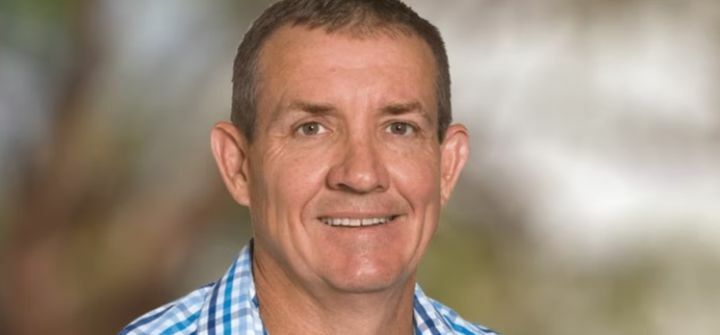
"Imagine if it was a dangerous gas that was unreported. We're lucky in this situation…but we want to make sure that it can't happen again in the future and we are certainly taking steps now to work out the best approach to be able to do that.
"They're big organisations, they're very important organisations to not only employment but to our economy because they pay taxes. So, we need to make sure that we get the balance right and operate here in a zone where it's right. But we need to ensure that the environment and people are also protected," he added.
Recommendations
The NTEPA has been advised to instruct INPEX to conduct a comprehensive facility-wide air quality impact assessment encompassing all emission sources for benzene and toluene.
The consultants added that this should not be limited to just Acid Gas Removal Unit (AGRU) hot venting scenarios, but should include all significant BTEX sources identified in the ILNG's Environment Protection Licence as well as a cumulative impact assessment considering all facility BTEX sources operating simultaneously under worst case conditions.
Likewise, a health risk assessment, to be conducted by independent health risk specialists, should be conducted to for the full 2018 to 2025 period covering the entire operational period of the ILNG plant, all sources of BTEX emissions onsite, in addition to the AGRU stacks, and to include ethylbenzene and xylene in addition to benzene and toluene.
Finally, the NTEPA has been advised to establish a short-term independent background monitoring campaign for BTEX compounds to ensure it has enhanced technical foundation for regulatory decision-making, improved environmental protection outcomes, and strengthened community confidence in the regulatory oversight of major industrial facilities in the Northern Territory.
"The recommendations reflect current best practice in air quality assessment and regulatory oversight, ensuring that environmental protection standards meet contemporary scientific and regulatory expectations," the report's authors wrote.
No public health risk
However, both the NTEPA-commissioned Air Environment report and the CHO-commissioned human health risk assessment (HHRA), conducted by SLR Consulting Australia, confirmed current levels of benzene and toluene compounds are below health‑based guideline values and are considered acceptable under Australian health policy.
According to a summary from the NTEPA "this means the risk to human health is very low.
INPEX's senior vice president Bill Townsend flagged this as a central finding.
"There has been no change to the view that INPEX's air emissions modelling is technically sound, and that monitoring completed by INPEX demonstrates compliance with applicable air quality guidelines and provides confidence that ambient BTEX levels during the monitoring period were acceptable," he said.
"Importantly, ongoing air quality monitoring in the Darwin region has consistently shown emissions levels are well within government guidelines, meaning no increased health risk to the community, our local workforce or the environment from the Ichthys LNG facility."
He also emphasised the firm had not intentionally misreported on this matter, and the company takes full accountability for the unintentional errors reported to the NT EPA.
"We remain committed to the safety, health, and overall wellbeing of our workforce and the community, as well as to protecting the environment," he added.
Public inquiry
The Environment Centre NT (ECNT) has called on the NTEPA to hold a public inquiry into the situation.
"This is a major breach of trust by INPEX, and the NT EPA has been asleep at the wheel yet again," said Dr Kirsty Howey, the executive director of the ECNT.

"Why was this issue not picked up earlier? It's too little too late from the NT EPA."
The NT EPA has said it endorses the recommendations of the Air Quality Review in full and will be implementing the measures suggested.
Just before Christmas the NTEPA asked the state's Department of Lands, Planning and Environment to review INPEX's licence conditions to ensure Darwin locals and workers at their Ichthys plant are adequately protected.