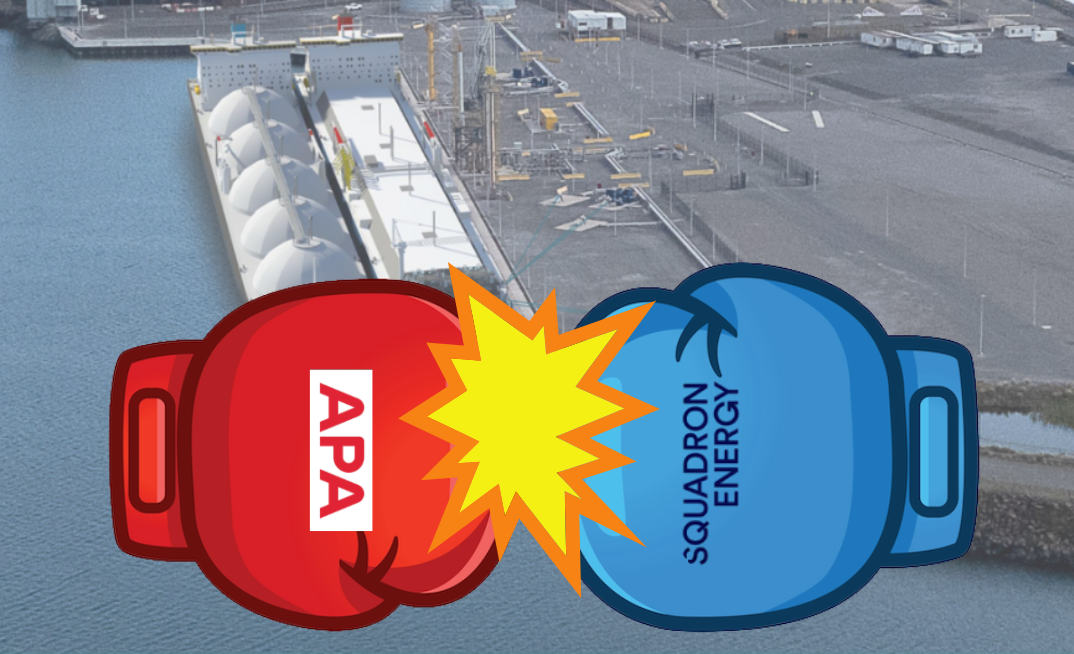


APA Group has sharpened its attack on proposals to import liquefied natural gas (LNG) into Australia, warning that floating storage and regasification units (FSRUs) come with hidden costs that could drive up power bills and distort the country's energy investment decisions.
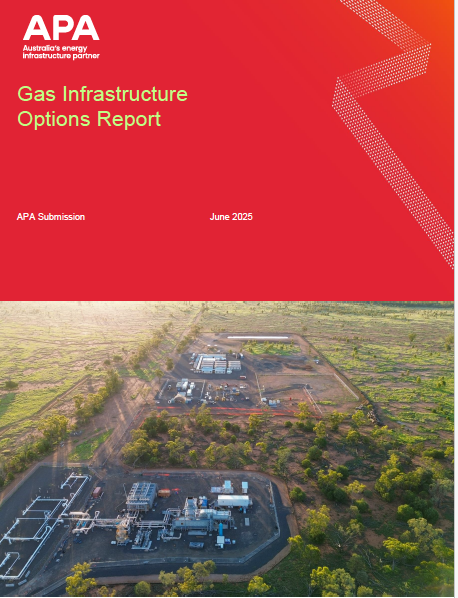
In a submission to the Australian Energy Market Operator's (AEMOs) 2026 Integrated System Plan, the gas infrastructure giant said current modelling fails to capture key operational expenses of LNG import terminals, including leasing, port fees, energy use and staffing.
"The most significant operating cost is the charter of the FSRU itself," APA wrote.
YOU MIGHT ALSO LIKE
"Estimates of charter fees range from US$80,000 to US$120,000 per day—more than AU$55 million per annum—and are subject to extreme volatility due to the small global fleet."
Citing instances where charter rates surged above US$250,000 a day amid geopolitical tensions, APA argued that such volatility, along with exposure to foreign exchange risk, was being overlooked in official cost comparisons between gas pipelines and LNG import infrastructure.
"These omissions materially understate the total cost base of LNG import infrastructure," APA said.
"That risks higher power bills and reduced reliability if the ISP does not accurately reflect real-world costs."
The company urged regulators to ensure all infrastructure is assessed on a level playing field, warning that current gaps in the modelling could skew investment decisions away from more stable and cost-effective domestic supply options.
APA executive Darren Rogers specifically criticised the Victorian government's support for Viva Energy's proposed LNG terminal in Geelong, arguing it could displace lower-cost domestic supply from Iona gas storage without necessary upgrades to the South West Pipeline.

"AEMO's own Victorian Gas Planning Report has confirmed that, without augmenting the South West Pipeline, injections from Viva's terminal will restrict Iona's output," Rogers said.
"That could mean higher-cost, higher-emissions imported LNG is prioritised over Australian gas."
He said APA remained focused on expanding the South West Pipeline Extension and unlocking new gas supply from the Bass Strait, Beetaloo and Surat basins to ensure long-term energy security.
"Spot LNG prices in Asia have been 50% to 80% higher than Australia's $12/GJ price cap during recent peak periods," APA said. "Reliance on imported LNG will drive up electricity costs for households and businesses."
The submission marks APA's latest salvo in an increasingly heated debate over how to meet looming east coast gas shortfalls, as it defends its $10 billion pipeline investment strategy against faster-moving LNG import projects.
Squadron Energy hits back
Squadron Energy, which is preparing to receive first shipments at its Port Kembla terminal by early 2027, hit back at APA's claims in a sharp rebuttal.
"It's not surprising APA continues its campaign against LNG terminals when they're years away from delivering any solution to the looming gas shortage," a spokesperson said.
Squadron accused APA of misleading behaviour, arguing it focused selectively on import terminal operating costs while ignoring long-term commitments and capital risks associated with new pipelines.
"Our terminal is already built. It's a fraction of the cost, offering a faster, more flexible and lower-risk solution that's ready to go," the spokesperson said.
"LNG terminals are cost-competitive—if not cheaper—than new pipelines, which take years and billions of dollars to build, with no guarantee they'll be ready this decade."
"If we want to grow industry, keep the lights on and stay competitive, we need practical solutions that work now."
Viva Energy backs market reform
Viva Energy also rejected APA's critique, saying its Geelong terminal would enhance transparency and promote competition by introducing global LNG price indices to the east coast market.
"By accessing global markets, this project could significantly reduce costs for consumers and provide a ceiling on domestic gas prices," a Viva spokesperson said.
"If LNG imports weren't price-competitive, the gas simply wouldn't flow."
Viva argued the terminal would give participants more flexibility and seasonal capacity, supporting long-term energy reliability.
The exchange marks a sharp escalation in tensions between infrastructure players ahead of key regulatory decisions and looming east coast supply gaps from 2026.