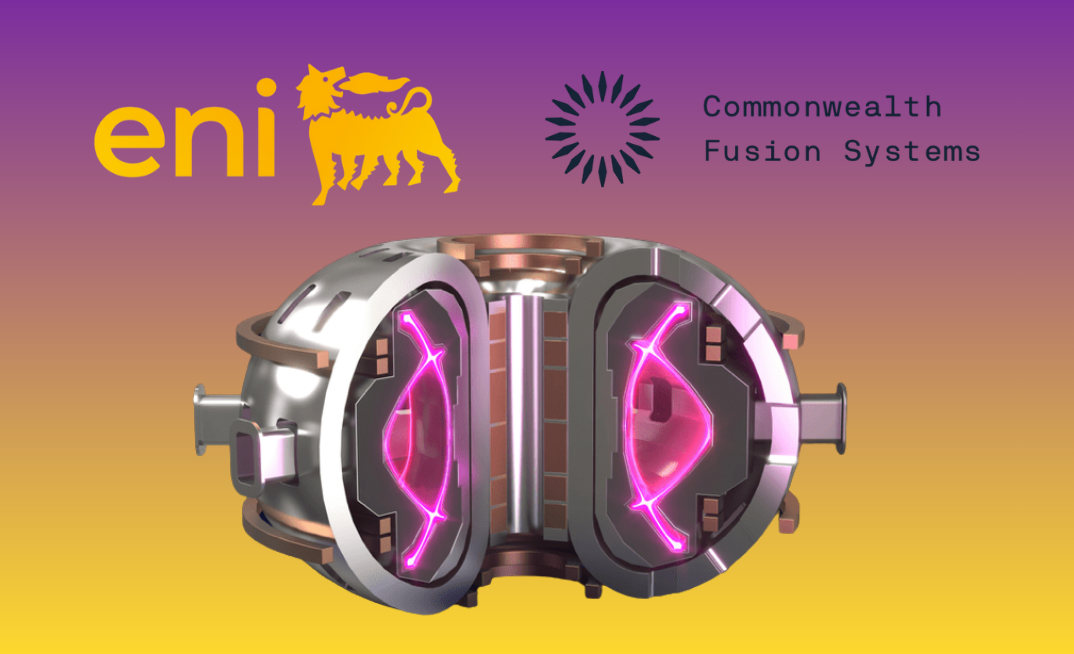


Eni has agreed to buy $1 billion worth of electricity from Commonwealth Fusion Systems' (CFS) first commercial power plant in one of the largest commitments yet by a global oil and gas company to the still-nascent fusion industry.
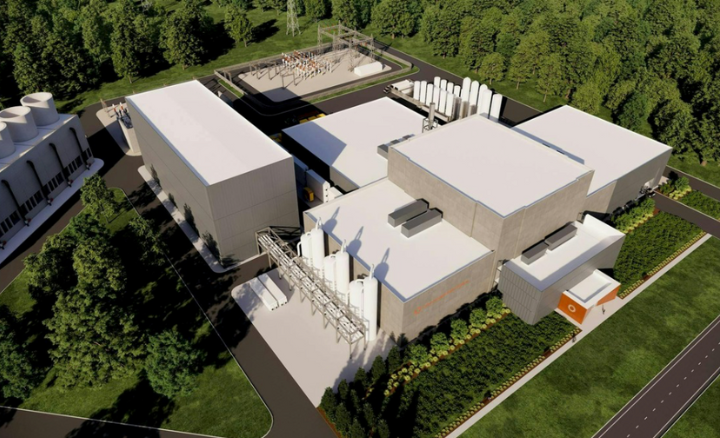
The Italian energy giant will take power from Commonwealth's Virginia-based "Arc" facility, slated to start construction in 2027 or 2028 and deliver grid electricity in the early 2030s.
The deal marks what will likely be remembered as the moment when a technology once dismissed as science-fiction fantasy finally converged with reality — the promise of abundant, virtually limitless energy.
YOU MIGHT ALSO LIKE
"The agreement with Eni demonstrates the value of fusion energy on the grid. It is a big vote of confidence to have Eni, who has contributed to our execution since the beginning, buy the power we intend to make in Virginia," said Commonwealth co-founder and CEO Bob Mumgaard.

The agreement comes on the heels of CFS's $863 million fundraising round earlier this month, lifting its total capital raised to almost $3 billion. Google has already committed as the plant's first commercial customer in Virginia.
Founded in 2018 as a spin-out from MIT's Plasma Science and Fusion Center–CFS is regarded as one of the most advanced private developers of fusion power.
Its prototype reactor, Sparc, now under construction near Boston, is more than 65% complete and expected to demonstrate a net energy gain within two years.
Eni, which has backed CFS since its early funding rounds, said the move reflects its strategy of diversifying beyond fossil fuels.
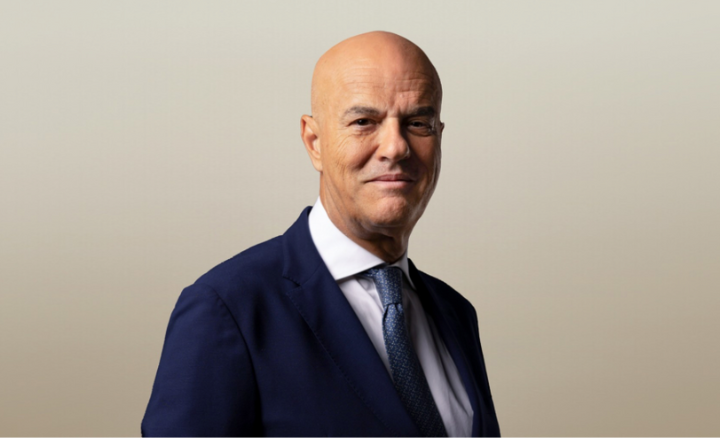
""This strategic collaboration, with a tangible commitment to the purchase of fusion energy, marks a turning point in which fusion becomes a full industrial opportunity," said Eni CEO Claudio Descalzi.
The Arc project – at a cost running into the billions –uses superconducting magnets to confine plasma in a tokamak reactor, forcing hydrogen atoms to fuse and release energy.
Analysts say Eni's long-term offtake deal could help CFS secure further finance for the plant.
While the physics and economics of fusion still face hurdles, heavyweight deals with Eni, Google and Microsoft—an early backer of rival Helion—have sharpened expectations that fusion is edging closer to commercialisation.

"Fusion is moving from the lab to be a proper industry," said Sehila Gonzalez de Vicente, global director of fusion energy at the Clean Air Task Force.
"This is very good for the whole sector to be perceived as a real source of energy."
Fusion milestone draws cautious response from Australia and New Zealand
Energy News Bulletin canvassed views across Australia and New Zealand's energy policy circles following Eni's landmark $1 billion fusion offtake with CFS.
For now, fusion sits at the fringe of Canberra's planning. With the federal government doubling down on its solar and wind build-out, policymakers have offered little sign they are factoring in what this convergence milestone could mean for long-term strategy. Wellington is equally distant from committing to any fusion pathway, though it points to home-grown developer Openstar Technologies as evidence of its commercial ambitions to eventually play a role in the field.

"Like all others, their work remains a multi-year journey to the next stage. More investment would likely accelerate development, but even with a boost, fusion is still a long-term prospect," said John Carnegie, CEO of NZ think tank Energy Resources Aotearoa.
Separately, ENB contacted Australian industry super fund Hostplus, which has identified fusion as a priority for venture capital allocation.
Hostplus is already backing CFS as part of its "Big Bet" strategy on next-generation clean energy.
The fund has yet to comment on whether the Eni deal shifts its outlook.