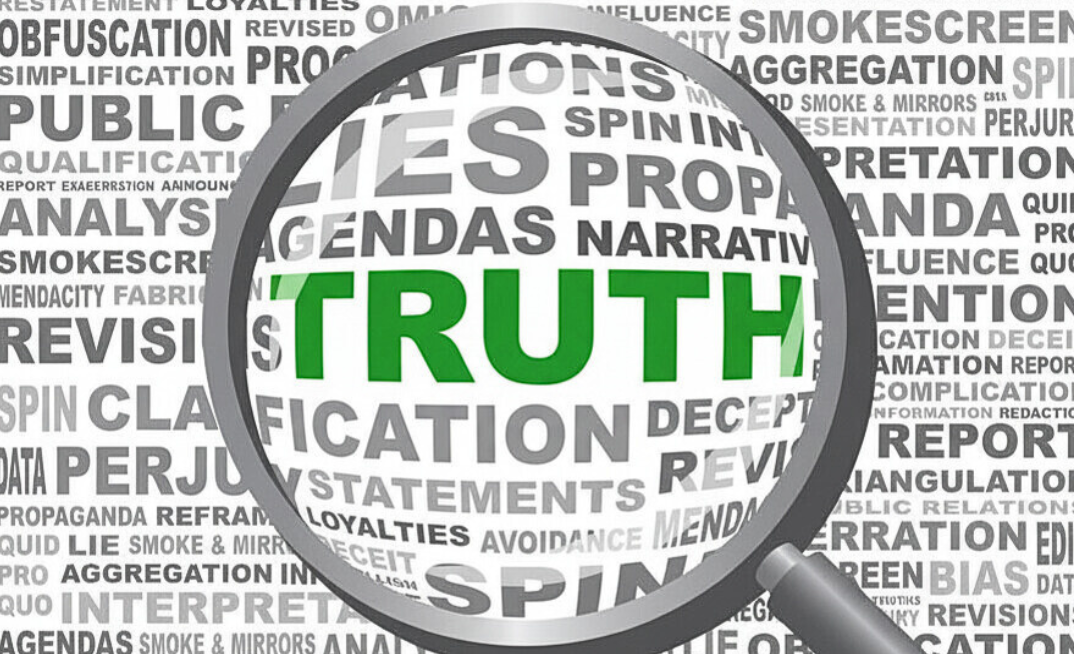


Coordinated campaigns of mis- and dis-information are dividing Australian communities, hindering progress on climate change and infringing multiple human rights by eroding public trust in climate science and influencing political outcomes.
Those are the stark findings of a nine month select committee inquiry into information integrity in the energy transition debate, which received almost 250 written submissions and held a dozen public hearings.
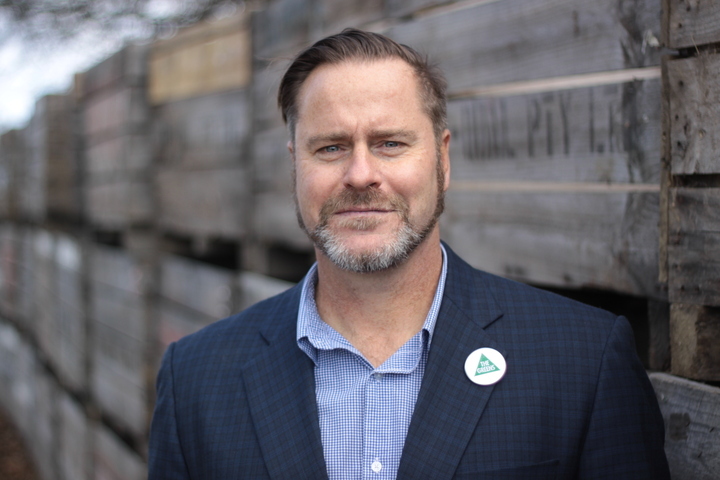
Committee chair, Greens Senator Peter Whish-Wilson, said: "Deliberate and deceptive campaigns that undermine information integrity on climate change and energy – or manipulate public discourse to obstruct policy – have stalled climate action, including the rollout of renewable energy in Australia.
"Many Australians are familiar with the concept of political ‘climate wars' but not the broader tactics that have been employed for decades to defeat or delay climate policy," he said.
YOU MIGHT ALSO LIKE
The report made 21 recommendations across different policy areas on how to improve information integrity gaps in the climate and energy debate. The Greens' additional comments make a further 25 recommendations.
The recommendations include:
- officially endorse the Declaration on Information Integrity on Climate Change launched at COP30, and adopt the UN Global Principles for Information Integrity.
- explore ways to ensure greater transparency of campaign activities, such as the creation of third parties, that are resourced by commercial/corporate interests in the lead-up to a federal election.
- explore funding models for independent monitoring support (for example, via an Australian Internet Observatory) to track hidden digital influence ecosystems and provide independent transparency and accountability of platforms.
- consider legislative or regulatory reform which identifies psychosocial harms, places the onus of responsibility in addressing these harms onto digital platforms, and monitors the effectiveness of their mitigations through regulatory and civic oversight.
"This inquiry was primarily intended to raise education and awareness on this critical matter, and start a national conversation on what needs to be done to improve transparency and accountability around false, misleading, and deceptive information that has for years challenged science and undermined climate action in Australia," said Whish-Wilson.
"Evidence was provided that a ‘denial machine' has deliberately obstructed climate and energy policy for decades in Australia. This ‘denial machine' has included conservative think tanks, law firms, PR firms, consultancies, third-party campaign groups and some conservative media outlets. For those who care about a safe climate future, this is deeply concerning," he added.
As a result of the inquiry the government has agreed to sign onto the UN Declaration on Information Integrity on Climate Change and adopt the UN Global Principles for Information Integrity, aimed at providing momentum to develop a national plan to combat deliberate and deceptive efforts to undermine information integrity on climate change and energy in Australia.
The committee chair spoke of the influence of corporations in the debate.
"Witness testimony revealed electoral disclosure laws may be ineffective due to financing shifting to third party actors – backed by commercial and fossil fuel interests – who are able to spend big without being captured by the same transparency and accountability laws," said Whish-Wilson.
"The Australian Greens implore the Albanese government to progress federal truth in political advertising reform before the 2028 federal election, with these reforms being extended to apply to Significant Third Parties and other related political advocacy and lobby groups.
"Lean in"
The tabling of the inquiry report in Canberra came at the end of a day that in Perth saw the Clean Energy Council's Clean Energy Summit.
Opening the day's events, Amber-Jade Sanderson, the Western Australian energy and decarbonisation minister, seemed to preview the report, appealing for the renewable energy sector to take the lead in combatting misinformation which often delays or scuppers new developments.
"You don't want to be a political football, but unfortunately, you are...The success of your sector depends on the right outcome, and it depends on the right debate.
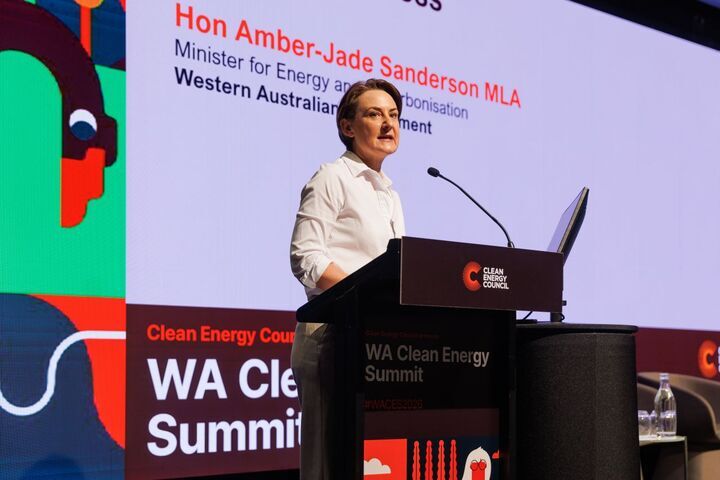
"We need the sector to lean in. We need the sector to challenge the misinformation that is put around by many who don't support the sector," said Sanderson.
Renewable hurdles
Renewable developments across the country have been beset with objections with varying degrees of legitimacy and even been referred to state planning commissions by objections lodged by opponents living in a different state.
While some developers stay the course and proceed through to construction, others become frustrated and pull up stumps in favour of trying to establish a facility in a more favourable location.
One of the submissions received by the select committee came from the Australian Energy Information Commissioner Tony Mahar who also spoke at one of the public hearings.
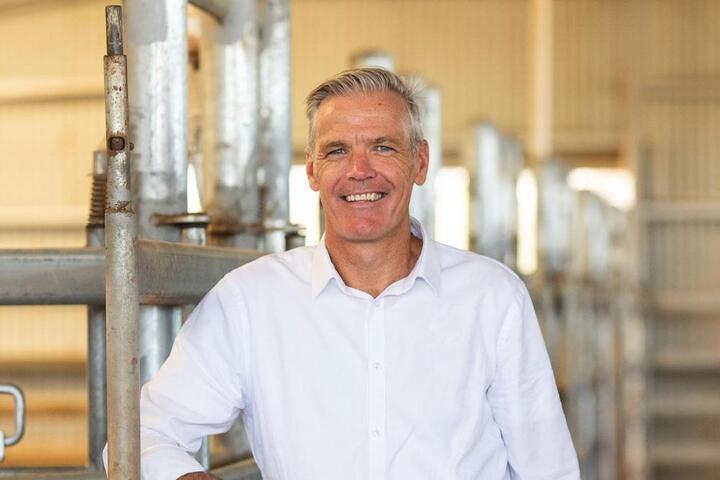
Speaking today to ENB he said communities caught in the middle of the energy transition need information, not opinions.
"We really do need credible sources of information – science-based, evidence-based - that allows people to make informed decisions.
"We do have to fact check. We do have to test assertions and assumptions on both sides of the argument," he said.
Mahar, who has previously defended rural and regional communities saying they are having the energy transition done "too them rather than with them," said he would like his office to be a central provider of such impartial information.
"I would like to be a voice in that space. I would hope my credibility and integrity stands up.
"I think what's needed is more people like me - whether it's universities or CSIRO - respected institutions - to have that independent voice to say, we've checked that, here's the evidence, here's the facts. Then people can make their own forms," he added.
At the Perth-based conference today, predictably, social license and mis- and dis-information were high on the agenda with developers and industry leaders advocating for communities to be brought along and supported as their communities are transformed by the energy transition.
"There's a lot of misinformation that collective leaders in industry have a role to address as well," said Krystal Skinner, the CEO of Horizon Energy – WA's regional and remote energy provider.
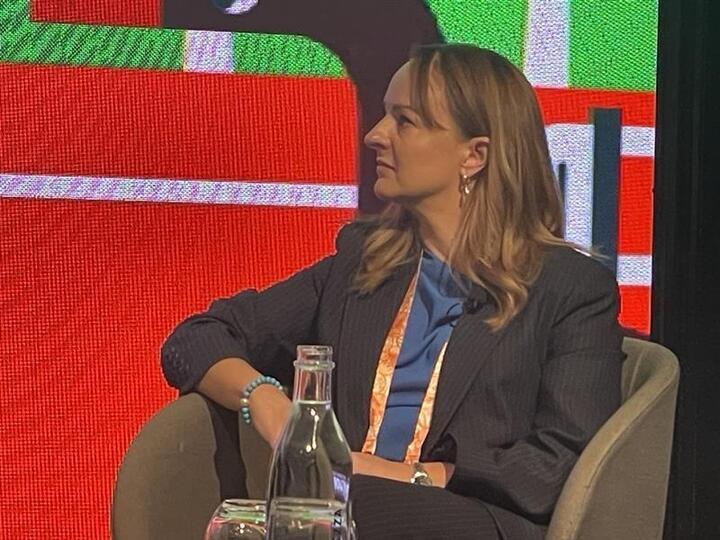
Referring to the projects her organisation focuses on often in the far north of WA, she added: "There's an expectation that a lot of these projects make a lot of money, and a lot of that's based on the experience in the National Electricity Market that doesn't quite translate in the Kimberley, where the cost of supply is really significant."
Sat alongside her was Nigel Baker, the CEO of Atmos Renewables whose first two wind farms in WA were at the weekend announced as part of a power purchase agreement with the state's utility Synergy.
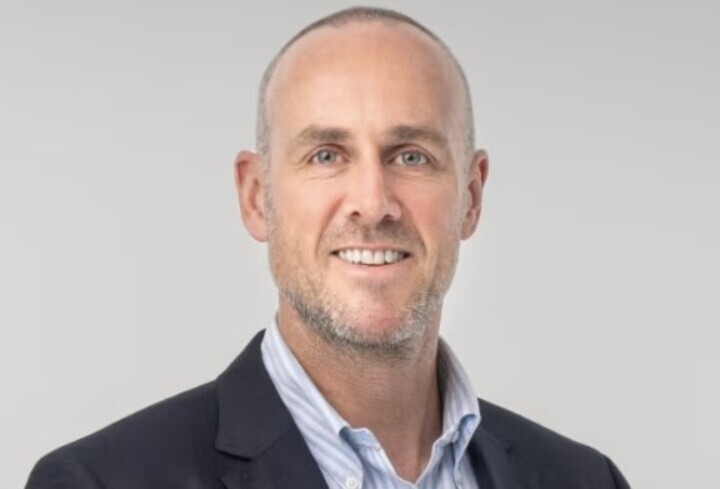
"We're coming along to build a project that might be there for 30 or 50 years. We think that's a really long time but it's a whole different context to the way the First Peoples might view that land and their connection to it and their understanding of it.
"So, understanding those impacts so we can mitigate them wherever we can, is really important.
"We want to be there for the long, the long haul on those projects. So, that really means developing those right, respectful, open relationships with the right stakeholders, landholders, neighbors and particularly the First Nations peoples around the projects," he said.
"These projects do have impacts - they are large installations in rural environments. They do have an impact on the landscape, and so to understand those impacts, and to understand those impacts, particularly from the First Peoples who…have been deeply connected to this land for millennia."