

An internationally acclaimed and Nobel Peace Prize-winning energy expert has condemned Australia's energy transition crusade as a way to distract attention from the country's ongoing reliance on fossil fuels.
Speaking exclusively to ENB, Daniel Kammen, the Bloomberg Distinguished Professor of Energy and Climate Justice and Director of the Renewable Energy and Equity Worldwide (RENEW) Laboratory, said Australia is telling two different stories.
"While it's nice to see solar home systems and batteries all over the place in Australia, the real issue is being a coal export hub.
"I'm very happy with what's happening in residential solar and storage here. I'm very unhappy with what's not happening in terms of actually cleaning up your energy mix - being a major coal exporter.

"There's a number of aspects of the Australian story that are unsavoury," he added.
Kammen, who in 2007 shared the Nobel Peace Prize as a contributing and coordinating lead author for the Intergovernmental Panel on Climate Change (IPCC), is currently in the country to speak at the Australian Energy Week conference.
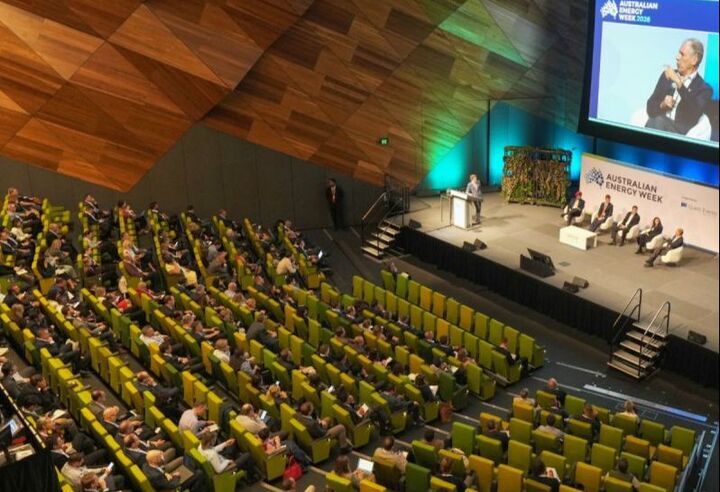
He said green energy advocates in Australia are "disempowered to dismantle the fossil story."
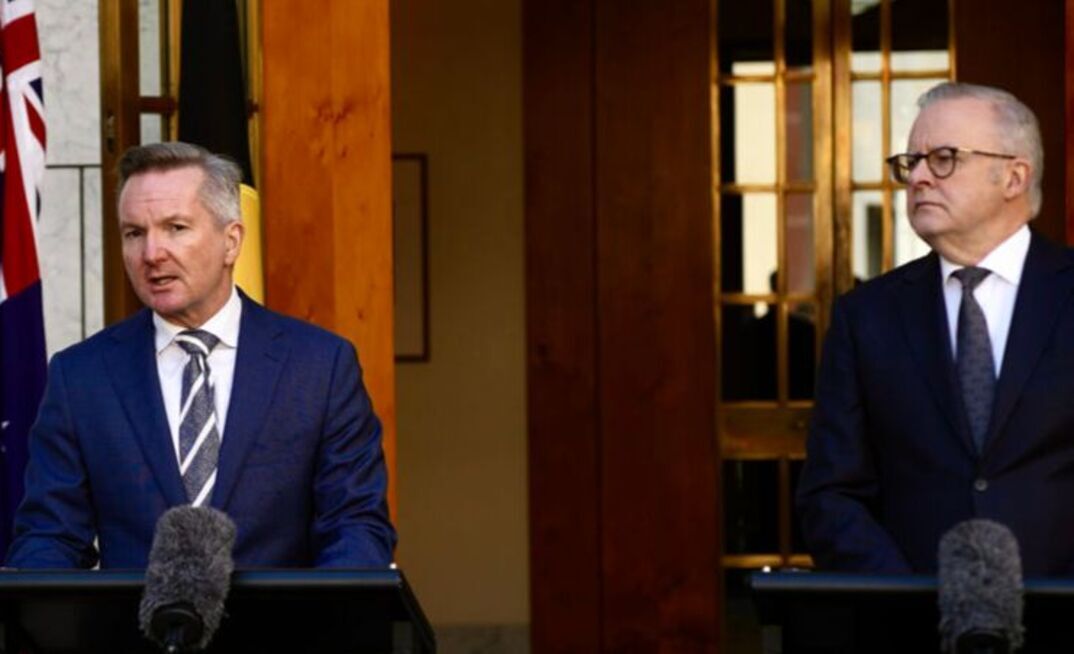
Coming in for especial criticism was the country's climate change and energy minister Chris Bowen who yesterday – in his role as COP31 co-president – called for the world to "get off fossil fuels" – words Kammen sees as close to hypocritical.
"Unless Australia is going to radically ramp up their carbon tax, which seems highly, highly unlikely, he's not really in a position to do much about it.
"Australia is kind of in the same position that Norway is in - a country made massively rich by fossil fuels, having no intention to change the industrial picture, but really happy to green the things around the edges.
"And it's not that they don't matter, but you know they're a tiny drop in the carbon bucket compared to the overall story."
Electrification
The outspoken, frank-talking expert also had some thoughts on a new "35% by 2035" global electrification target unveiled last night by Bowen and the COP31 co-chair, Turkish environment minister Murat Kurum.
Calling it a "policy-free gimmick," Kammen told ENB: "Most places should be able to get to 35% by 2035 so I think it's meaningful, but…you're not putting your neck out at all, meaning you don't have to really do anything policy wise, because the electrified movement is already moving at a pace.
"If you read the latest messages from Fatih Birol at the International Energy Agency (IEA), we really expect to be there already. I don't think their 35% by 2035 is at all ambitious."
The plan as unveiled by Bowen and Kurum calls for a major acceleration in the shift from fossil fuel use to clean electricity across buildings, transport and industry and is part of a wider package of non-negotiated Action Agenda initiatives and targets announced by the COP31 presidents.
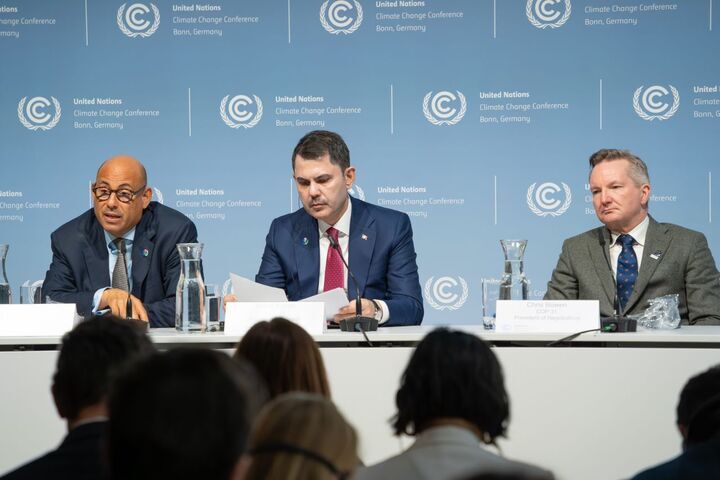
"Accelerating the energy transition will ease shocks to our energy systems, better protect our economies and households from high costs, and help keep bending the curve of emissions downwards. That's why electrifying the global economy is one of our practical priorities for COP31 – because it's the fastest way to strengthen energy security, cut emissions and bring down costs," said Bowen.
The target is based on analysis from the IEA and the International Renewable Energy Agency (IRENA) and is designed to support implementation of the Paris Agreement and help keep the world on a pathway consistent with limiting warming to 1.5°C above pre-industrial levels.
In support of the electrification target, the COP31 Presidency, in partnership with Australia, has commissioned the IEA to deliver special reports to map out pathways to achieving the "35x35" target and to analyse the benefits of halving waste growth and boosting circular waste management systems. This follows the COP31 Presidency's existing work with IRENA to identify how electrification can accelerate the transition away from fossil fuels.
Do more
Kammen was not alone in his critique of the move, with Greenpeace welcoming the move but calling for more to be done.
Speaking from Bonn, Dr Simon Bradshaw, COP31 Lead at Greenpeace Australia Pacific said: "Minister Bowen and his Turkish counterpart Minister Kurum must maintain the global momentum towards a phase out of fossil fuels and ensure that a just transition is at the heart of the COP31 agenda.

"As Minister Bowen said, we are in the middle of a global fossil fuel crisis. Ending the fossil fuel chokehold is the only path towards greater peace and security and the only way to keep 1.5°C within reach. This means no new fossil fuel approvals and a managed phase out of fossil fuel production.
"Renewable electrification is also the path to universal energy access, better health and reducing inequality, but only if the solutions are accessible to all. This new electrification push should have equity at its heart and maximise the opportunities to leave all communities stronger.
COP for what?
Kammen's comments on the efficacy of COP process have been echoed by international environmental lawyer Marcelo Dias, the co-chair of the Australian and New Zealand Society of International Law.
While acknowledging the progress in renewable power capacity as a "major shift in the global energy system," he added: "But here is the uncomfortable part: the world is still not on track to meet the COP28 goal of tripling renewable capacity by 2030."
With COP31 ahead of us, perhaps the fact that COP28's goals have not been met should be a concern.