"Our policy makers are not looking forward - they are hiding behind the fact that the world currently does not have an oil supply problem," said APPEA's executive director, Barry Jones.
"The real fact they should be addressing is that Australia is running out of cheaply produced oil.
"Unless our governments become more serious about focusing on future supplies, they will fail to ensure that customers for energy have reliable and competitively priced fuel sources into the long term."
Speaking in Perth last Friday at the "Western Australia - Beyond Oil?" conference, Mr Jones said there was a growing gap emerging in Australia between demand and domestic production.
"Already we are importing 65% of the fuel we need as a refinery feedstock, but policy makers don't want to face the implications that flow from this situation," he said.
"They are not asking themselves whether this situation will continue as global demand grows and finding oil becomes more and more costly.
"They also fail to ask whether we should be concerned about the fact that, as petroleum production declines in the countries from which Australia is currently importing, we will have to source more and more of our oil from the Middle East.
"That's where most of the world's reserves of oil will be found in 10 to 15 years time."
Mr Jones said the question for governments was simple. "Are the supply risks, the economic risks, the environmental risks and the defence risks associated with relying on imports acceptable to Australia in the short and medium term, and in the longer term if a global oil short fall develops?
"If the answer is that the risks are acceptable, then we continue as we are and import more and more oil and petroleum products and, eventually, we as a nation probably pay more and more for them.
"If, on the other hand, the political judgement is that the risks are to high, Australia has to face up to some very difficult decisions - about constraining demand for petrol, developing new domestic fuel sources and addressing a number of very sensitive foreign policy issues."
Mr Jones said governments needed to realise that developing domestic supply sources will take time.
"They need to move quickly to make investment in Australia more attractive in relation to oil exploration and development, gas development and marketing and oil refining.
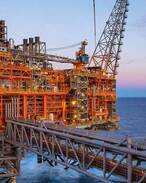
"In short, Australia needs to be maximising its own production of transport fuels and offshore Western Australia is probably where this will happen."
Mr Jones said looking at the supply side of the equation was not enough. Governments needed to take demand side management and investment in public infrastructure out of the "too politically and socially" difficult basket.
"Industry will deliver what the consumer wants. If governments and consumers don't address the demand side, transport responses and fuel-switching strategies won't work. Again though, demand side responses take time to be effective."
Mr Jones said APPEA looked forward to Australian governments shedding their pre-occupation with avoiding short-term political reactions from consumers.
"No matter what Australia does domestically, imports will still play a role in meeting our fuel consumption needs for some time," he said.
"As part of that, improving our diplomatic relations with supply countries needs to be a diplomatic priority as does ensuring we have good relations with countries straddling our supply routes.
"Failing to consider the risk issue seriously is threatening the development of a comprehensive, definitive and strategic national energy policy, and we will all suffer the dire consequences that will result from governments taking such a complacent view about future supplies of both transport fuels and natural gas."