The week in review
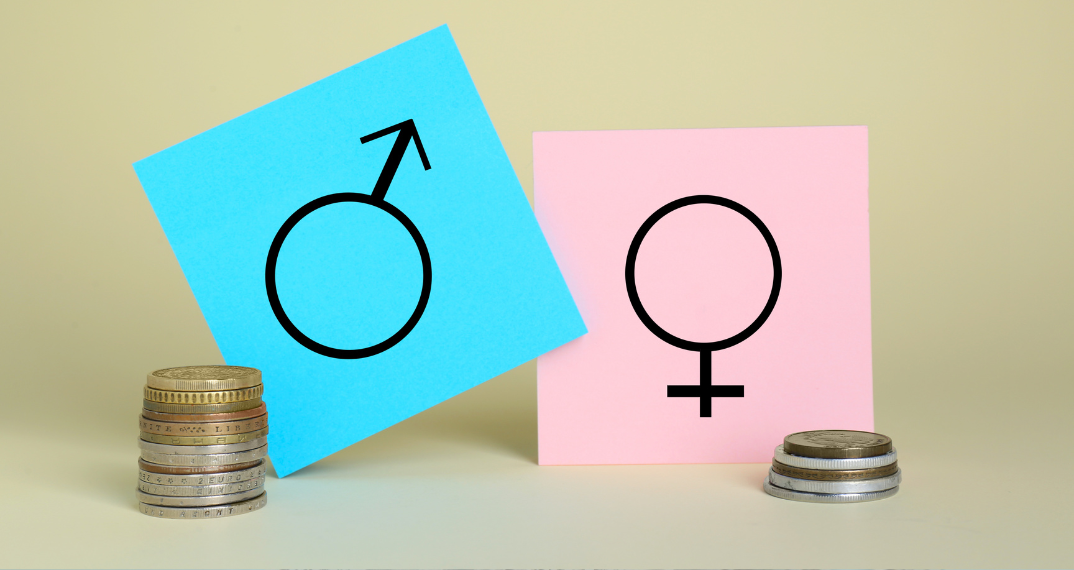
This coming Sunday is International Women's Day (IWD) – an annual occurrence "celebrating the social, economic, cultural, and political achievements of women."
That's the definition quoted on the IWD's official website but it's the next sentence which is particular pertinent at the moment.
"The day also marks a call to action for advancing gender equality."
These words have added significance this week off the back of the government's Workplace Gender Equality Agency (WGEA) having just published its annual gender pay gap report, collating data from the 10,500 employers who have provided information showing just where we are in terms of equal pay for men and women.
As our analysis published yesterday showed, the progress among some of Australia's leading oil and gas players - Amplitude, Ampol, Beach, Chevron, ConocoPhillips, ExxonMobil, INPEX, Origin, Santos, Shell, Viva and Woodside – is a mixed bag, with most companies moving in the right direction, but almost all of them still facing a long way to go.
As WGEA themselves said when publishing their report, employers in high-paying and men-dominated industries such as energy and resources were more likely to have the largest gaps.
"The fact that men are nearly twice as likely as women to be in the highest paid roles and that women still dominate the lowest paid roles should offer a reality check for anyone who thinks Australia has achieved equality in the workplace," said WGEA CEO Mary Wooldridge.
And as the Chamber of Minerals and Energy of WA (CME) CEO Aaron Morey added, improving female participation was a priority focus and would help further reduce the gender pay gap over time.
"Closing the gender pay gap will take time but we have seen encouraging progress, with women increasingly represented right across our industry – from executive leadership to on-site operations."
So what did our analysis show?
Of the 12 companies we looked at Exxonmobil had the most impressive result with a pay gap of -3.2%, meaning the company tends to pay its women staff more than its men.
A spokesperson told ENB: "ExxonMobil Australia is committed to building a globally diverse, inclusive and high‑performing workforce. Our philosophy reflects equal pay for equal work, and our remuneration practices are designed to drive fairness, consistency, and merit‑based decision making across all roles."
At the other end of the scale was INPEX which, with a gender pay gap of 35.3%, was the worst of the dozen but had improved by 1% since last year.
Their senior vice president Bill Townsend told ENB: "Since WGEA gender pay gap reporting began in 2023, INPEX Australia's representation of women in leadership, operational, and technical roles in Australia has progressively improved, with our Median Total Remuneration gender pay gap reducing by 4.5%. This progress is pleasing, reflecting the conscious effort, commitment and collaboration from across the business to improve gender equity."
I don't think for one second INPEX or any other modern, well-run company intentionally pays their female staff less than their male staff or has conscious or unconscious biases institutionalised into their pay structures.
But what the research shows is that progress – such as that demonstrated at ExxonMobil can be made. Their gender pay gap is an example of what can be done when attention is paid to the matter, measures and checks and balances are put in place.
So perhaps if nothing else comes of IWD 2026, the nation's business leaders might like to stop to think "what can I do to make this better?"
And it's also worth noting, that while paying men and women equally is quite simply the right thing to do – and is an opportunity to get some good PR - let's be honest, it doesn't seem to have affected ExxonMobil's profitability, does it?
Yours,
Russell Yeo
Editor Energy News Bulletin
To get the best analysis and insight of what's happening in APAC's energy sector, sign up for a free trial.