

Details have emerged about why the Australasian Centre for Corporate Responsibility (ACCR) failed in its legal attempts to prove that Santos had allegedly "greenwashed" its clean energy credentials.
As reported last week, the federal courts dismissed a four-year legal case brought by ACCR, which alleged Santos made misleading statements.
However, in Justice Brigitte Markovic's reasoning, she noted ACCR did not provide evidence to support its case against the Adelaide firm, going so far as stating ACCR has "failed to make out any of its claims."

YOU MIGHT ALSO LIKE
"The ACCR has not established that any of the alleged positive misrepresentations about the [emissions] targets was misleading or deceptive or likely to mislead or deceive as alleged."
The ACCR's case was believed to be the first time a firm's clean energy claims had been tested in court and was closely watched by both Santos' competitors and energy investors.
The peak body for the oil and gas industry, Australian Energy Producers, says the court's dismissal of the ACCR exposes the need to "crack down" on groups using the courts to target energy projects and companies.
AEP CEO Samantha McCulloch said the court's findings shone a light on the tactics used by activist groups and underscored the need for increased transparency around how groups are funded and the impact their lawfare has on Australia's economic and energy security interests.
"This outcome is welcome and reinforces the need for far greater transparency and accountability around the funding and coordination of activist litigation," McCulloch said.

"There must be stronger disclosure of who is funding these organisations and the interests driving these legal campaigns."
The court ordered ACCR to pay Santos' costs, rejecting the claims that Santos had engaged in misleading or deceptive conduct in relation to its net zero roadmap, use of the term "clean energy" and future hydrogen ambitions.
The court recognised that net zero roadmaps are, by their nature, forward-looking and subject to technological progress, market development and policy settings, and that Santos had a "clear and credible plan" to reduce Scope 1 and 2 emissions by 26-30% by 2030 and reach net zero by 2040.
"When groups pursue high-profile legal action designed to influence public debate and investment confidence, transparency is essential," McCulloch said.
"If activist organisations expect companies to meet the highest standards of disclosure and accountability, they should also be held to the same standard."
Commenting on the court's reasons for dismissing the case, Brynn O'Brien, Co-CEO of ACCR said: "While we respect the judgment of the Court on this matter, and accept the findings that Santos did not engage in wrongdoing, our view is that the nature of this clarification of Australian consumer and corporations law puts an enormous burden on investors to interrogate the true meaning of corporate disclosures, including ambiguous language and assumptions.
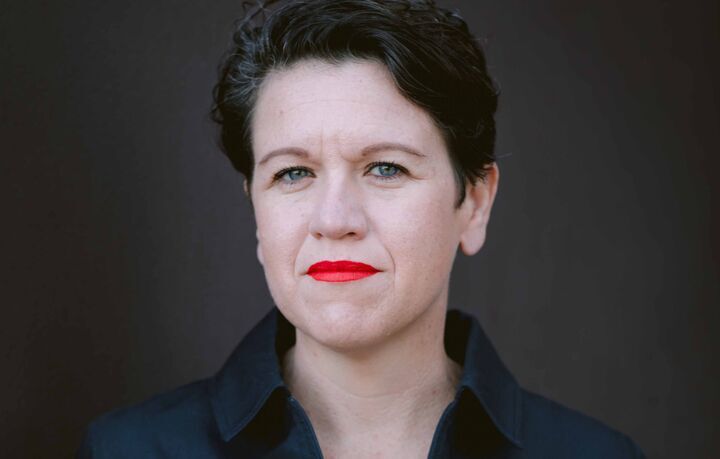
"This was an important case. Whether the ruling ultimately helps or hinders companies trying to convince investors of their climate strategies remains to be seen. We will take time to review it carefully before considering next steps and our options."
The ACCR has been ordered to pay Santos' legal fees, a matter which will be the subject of further legal discussions.
ENB has asked Santos for a comment in light of the release of the judge's reasoning. When the case was dismissed last week, a spokesperson said Santos welcomed the decision and that it is committed to transparent, accurate and compliant reporting.