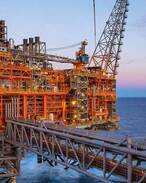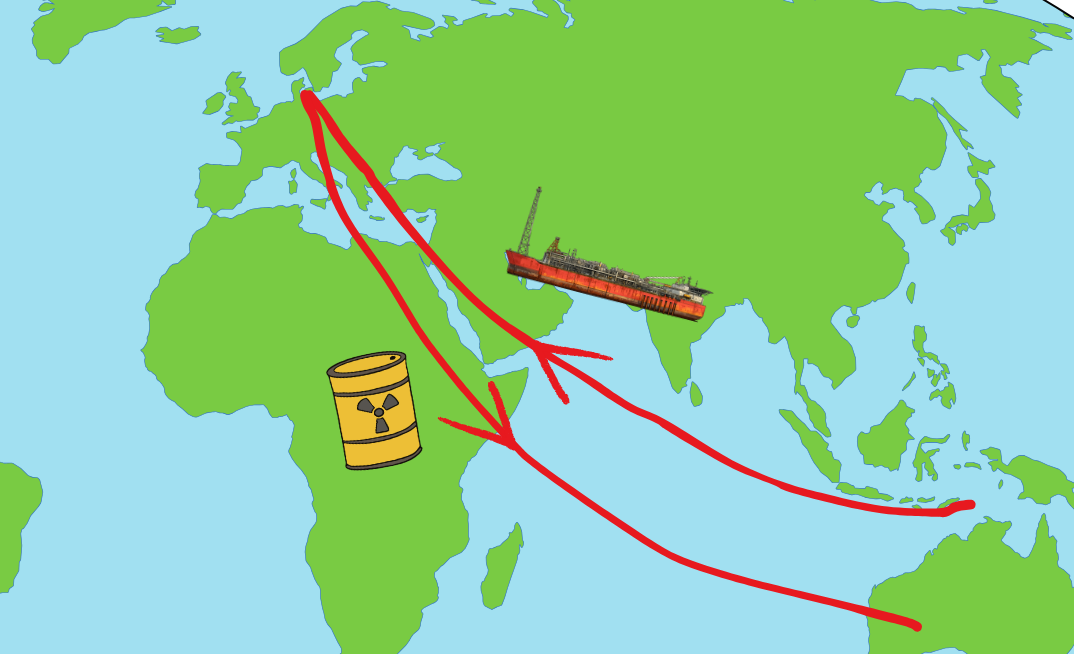


Having sailed all the way from the Timor Sea, via Singapore, through the Suez Canal, the Mediterranean, the North Sea and up to Denmark, any radioactive material retrieved during the decommissioning of the Northern Endeavour will be brought all the way back to Australia for disposal.
The confirmation of what will happen to the naturally occurring radioactive material (NORM) – an expected hazard from oil and gas production processes – will add further weight to the calls for a more fully-rounded decommissioning and disposal industry in Australia.
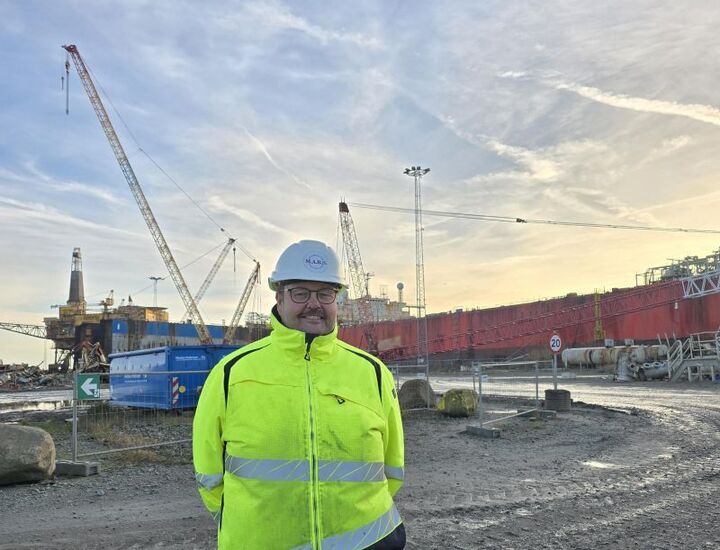
Speaking to ENB in March, Kim Thygesen, the CEO of Modern American Recycling Services (MARS) – the company decommissioning the Northern Endeavour in Denmark – said the NORMs could not be disposed of in his country.
YOU MIGHT ALSO LIKE
"We don't take ownership of the NORM. We deal with it and have the possibility to handle it on site and store it temporarily on site according to regulation, but it has to go back to the operator and how they normally deal with it during the operation. It's by regulation in Denmark that we cannot take ownership of it," said Thygesen.
Speaking yesterday at the D&A 2026 decommissioning conference in Perth, Shane McWhinney, general manager of the Northern Endeavour branch at the Department of Industry, Science and Resources (DISR), confirmed the NORMs' circuitous journey.
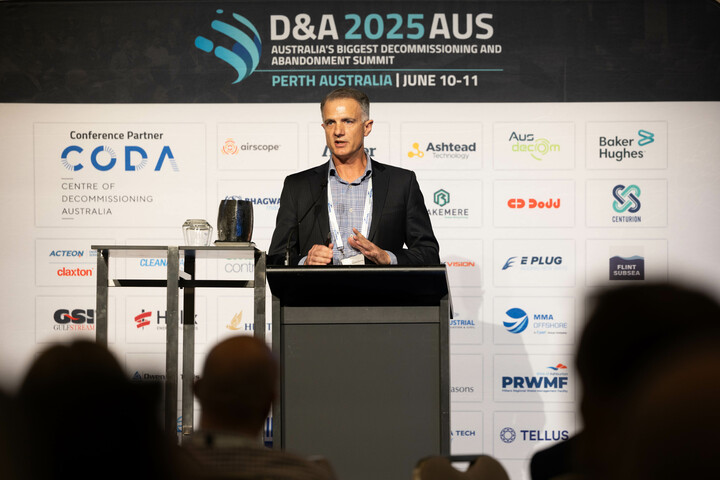
"As part of our contract with MARS and our agreement with the Danish government, we remain responsible for NORMs that exceed certain thresholds. So, we will work with MARS to map all of those wastes, including the NORMs, and then we will apply for permits and so forth to dispose of that waste with the intention at the moment to bring it back into Australia," said McWhinney.
Once back in Australia, while McWhinney said arrangements are yet to be finalised, it is likely the NORMs – which could amount to several tonnes of waste – would be disposed of at Tellus Holdings' Sandy Ridge facilities on the outskirts of Kalgoorlie in Western Australia.
A spokesperson from Tellus told ENB "Sandy Ridge is the only operational facility in Australia licensed to dispose of low-level radioactive waste, including NORMs.

"Tellus stands ready to work with government to help solve some of Australia's most challenging waste problems through safe, secure and domestic disposal solutions."
NORMs
According to Australia's Nuclear Science and Technology Organisation (ANSTO), NORMs are "materials found in the environment that contain radioactive elements. Managing NORM in industrial settings such as in activities like mining, oil and gas extraction, and water treatment, is a complex task."
Danish laws on the disposal of such materials are very clear, suggesting DISR would have been well aware of the need to bring them back to Australia when the contract was signed.
"The department is working with MARS to quantify any NORM waste that is required to be removed from Denmark. The removal and disposal pathway of any such NORMs from Denmark is subject to ongoing confidentiality due to procurement and regulatory processes," was the limit of what a DISR spokesperson could say.
A spokesperson for the Danish Health Authority Radiation Protection told ENB: "all radioactive waste, including NORM waste and NORM-contaminated parts which cannot be cleaned, derived from offshore installations, including ships that have been imported to Denmark with the aim of decommissioning, must be re-imported to the country of origin.
"Before importing foreign-owned installations, the licensee must also ensure that there is written acceptance from all relevant authorities in the recipient country that the return of NORM waste," they added.
The unusual situation regarding the NORMs' disposal adds credence to the ongoing calls for the establishment of a large-scale decommissioning hub which could address all of Australia's and even APAC's decommissioning needs.
As reported, even the Onslow Marine Support Base (OMSB) in WA, the most fully-fledged decom facility in the state, cannot deal with more than 5,000 tonnes at a single time – far below the capacity needed to address the decommissioning of an FPSO.
In the last fortnight both Greenpeace and a Victorian government Senate committee have condemned the lack of a decommissioning facility.
Today, Geoff Bice, WA Campaign Lead at Greenpeace, described the outsourcing of the Northern Endeavour as a "colossal bungle"
"[This process] has done nothing but create headaches for both Australia and Denmark. There are now more questions than answers about who is responsible for the toxic waste and who benefits from the decommissioning.
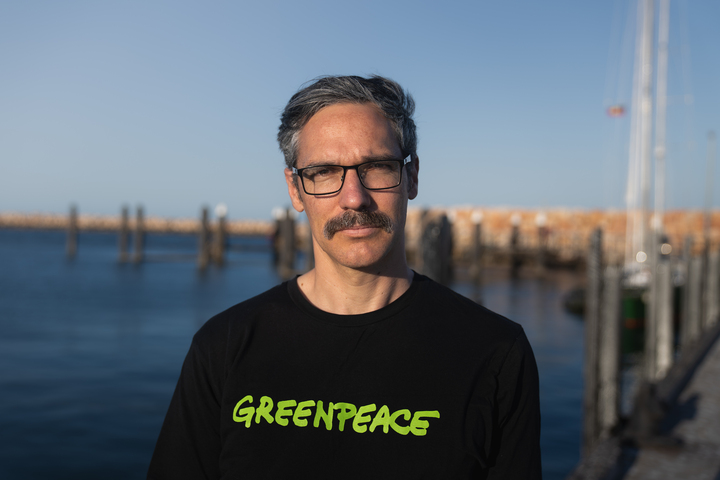
"What is abundantly clear is that Australia needs its own decommissioning hub to deal with matters like the Northern Endeavour. A local decommissioning hub would create local jobs and keep valuable resources, like recyclable steel, here on our shores."
Rikki Hendon, Secretary of Unions WA, added: "Hearing confirmation that toxic materials from the Northern Endeavour will be brought back to Australia from Denmark highlights that exporting the FPSO for decommissioning was the wrong decision from the outset.
"Transporting this ageing infrastructure across the globe created unnecessary environmental risks and missed a valuable chance to strengthen Australia's domestic decommissioning capability.
"Developing full decommissioning capability in Western Australia must be a priority, so that the growing volume of offshore infrastructure reaching end of life can be managed safely, responsibly, and in a way that supports our economy.
"Workers are ready to dismantle, process, transport and recycle, every part of this infrastructure. We have the experience and the workforce to do the entire job here."
Click here to read ENB's deep dive on the Northern Endeavour's history.