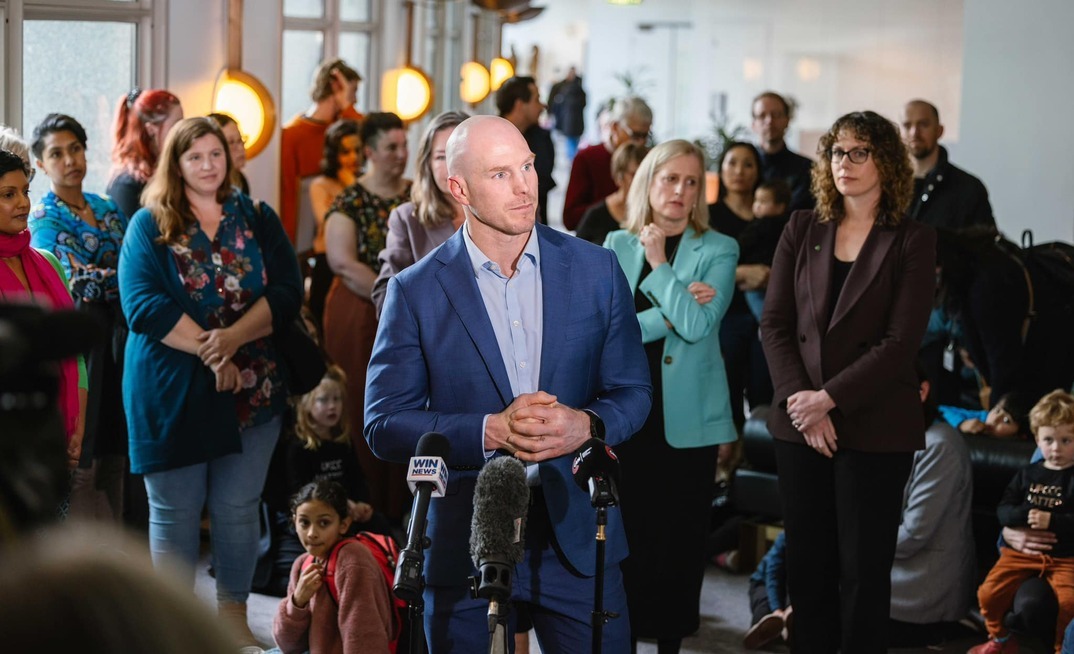


David Pocock, the independent federal senator who had a meme moment recently when his assertion that gas companies pay less than the amount the government receives from beer excise went viral, has welcomed news the government is considering clamping down on windfall profits.
According to an ABC news report today, the Treasury has been asked by the PM's department to draw up options as to how a new windfall tax could be imposed on the gas industry, as well reforms to the petroleum resources rent tax (PRRT), and "reforms to corporate income tax."
"Energy producers should not benefit from high international prices at the expense of domestic customers," the prime minister's department reportedly wrote.
"It looks like the government might finally be caving to the pressure myself, others on the crossbench and especially Australians in communities across the country have been putting on them to tax gas companies making wartime profits," said Pocock today.
YOU MIGHT ALSO LIKE
View this post on Instagram
"Australians are already paying more on petrol and we shouldn't be paying more on beer excise than the government gets for PRRT.
"It's encouraging to see reports that the government has finally asked Treasury to model changes to the way gas is taxed. We should have a flat 25% tax on all gas exports and enough gas exports diverted into an east coast gas reservation and we need both now."
The news comes just days after a coalition of environmental groups, Green politicians and unions called for a 25% levy to be imposed gas companies who are able to capitalise on increased prices in the global LNG market.
Unconfirmed reports from earlier this month suggested Australia's second-biggest oil and gas producer, Santos, is making deals with commodities traders for a single cargo worth as much as $121m – roughly $70m more than before the war in Iran.
Today the Australian Conservation Foundation reiterated the call for change, with their CEO Adam Bandt saying "It's time to stop big gas greed."
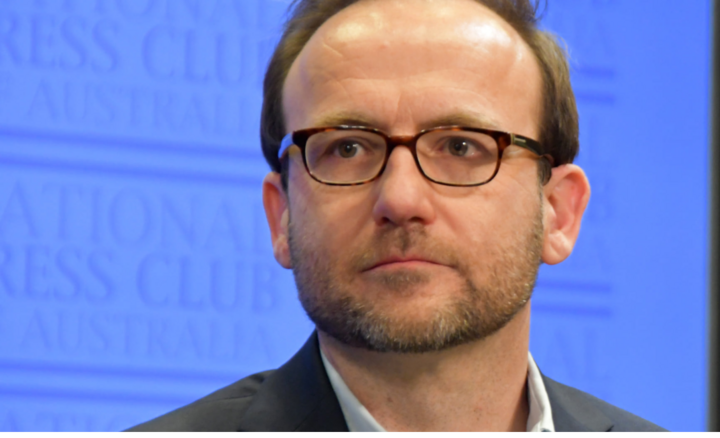
"It's disgraceful that oil and gas corporations are profiteering from human and environmental destruction by hiking their prices.
"In the coming Budget, the federal government can and should tax big gas corporations to fund cost of living relief.
According to the ACF the global energy shock sparked by the war in Ukraine enabled gas exporters to more than double profits from their Australian operations, reaping $92.8b in 2022.
"Research shows a 25% windfall profits tax would have captured and redirected around $23 billion in additional revenue in 2022," added Bandt.
His former political party the Greens have also offered to support the imposition of a levy in parliament.
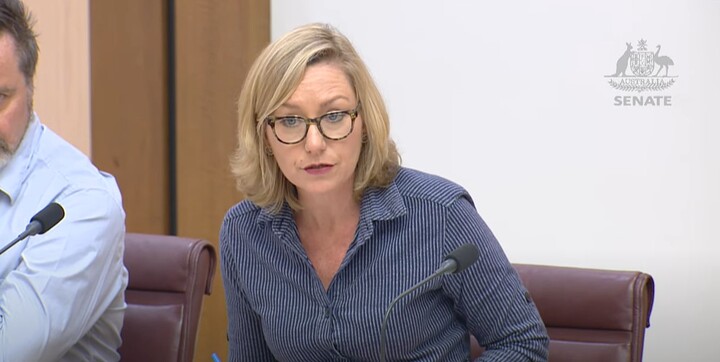
On Thursday party leader Larissa Waters wrote to the PM Anthony Albanese offering the support of her MPs in a vote to introduce new legislation in the next parliamentary sitting fortnight.
Whether the government opts for changes to the PRRT, to income tax, introduces a levy and whether those changes come now or in the May Budget, the powerful oil and gas sector will not take it lying down.
The CEO of Australian Energy Producer Samantha McCulloch – possibly sensing change could be in the air – a couple of days described calls for a levy as short-sighted.
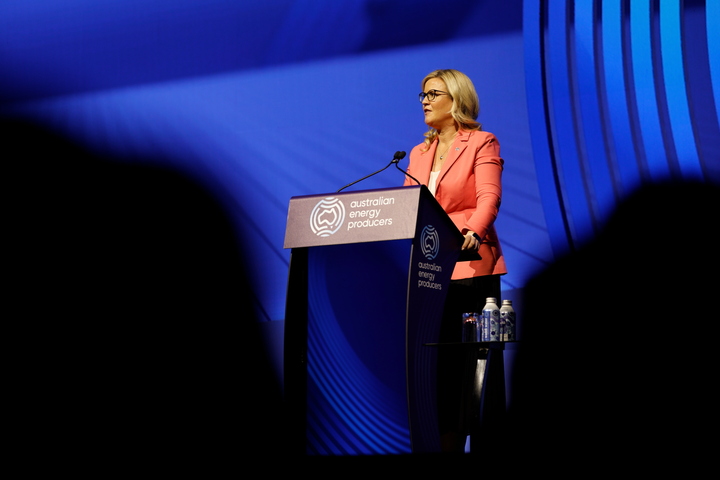
"This would be the worst possible time for Australia's economy and energy security to impose a new, retrospective tax on an essential energy sector," McCulloch added today.
"Imposing higher taxes on Australian gas producers would stop investment in new gas supply, leading to gas shortfalls, higher energy prices, and the closure of Australian industries that rely on reliable and affordable gas.
"The current surging petrol and diesel prices in Australia underscore just how important it is that we ensure Australia remains able to meet its own gas needs through secure domestic supply.
"While international gas prices have surged, Australian gas prices remain relatively low, and the market is well-supplied. We should not take this for granted."
The Chamber of Minerals and Energy WA (CME) CEO Aaron Morey backed McCulloch's position, saying the unfolding crisis in the Middle East underscored the critical importance of encouraging ongoing investment in new Australian oil and gas projects.

"Australia is currently being shielded from global gas shocks because we've attracted long-term investment into supply," Morey said.
"Increasing or introducing new taxes would scare that investment away – and leave families and businesses facing much higher bills for their gas and electricity.
"At exactly the moment we need more gas, not less, this would dramatically escalate sovereign risk. To address this, the Government should immediately rule out any changes," he added.
Susan McDonald, the Liberal party's shadow resources minister said a new levy would risks jobs, investment and Australia's energy security.
"The windfall gains that the government is receiving from every Australian who buys fuel is banked and the government has seen another opportunity to follow the direction of anti-fossil fuel activists to tax export gas, further exposing the economy to greater investment risk.
"It's hard to believe the Prime Minister would make this call after Resources Minister, Madeleine King said earlier this month ‘that imposing new costs on the gas industry would freeze gas production in this country'."