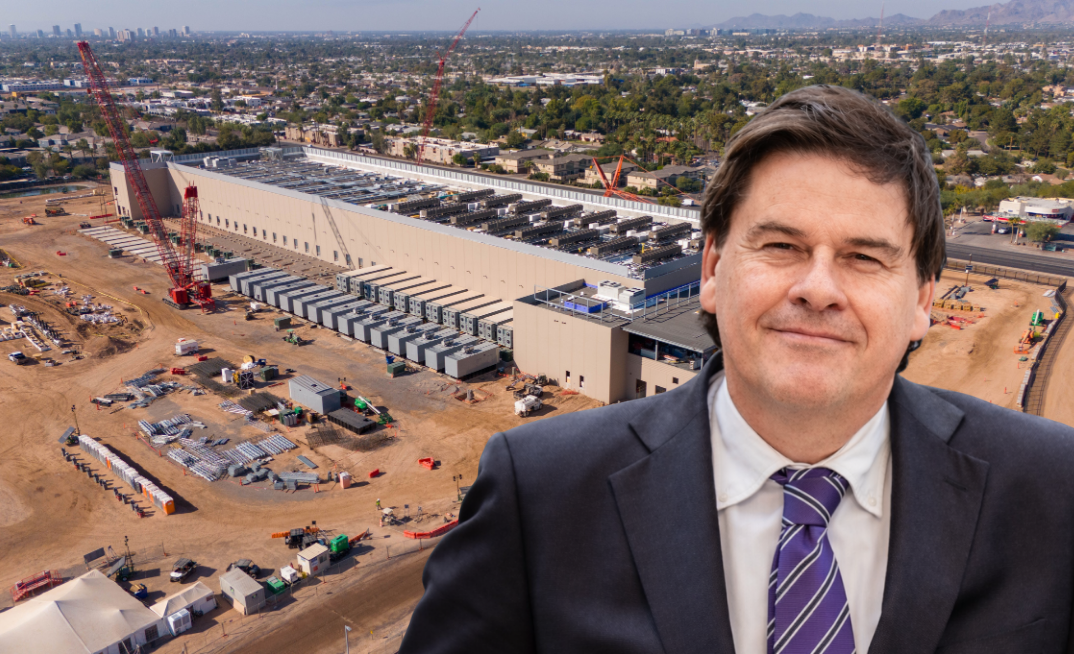


Australia's accelerating build-out of data centres risks quietly reshaping the electricity market in ways that could disadvantage manufacturing unless new generation and networks are delivered in step, business groups have warned.
While concerns have focused on whether Sydney and Melbourne can physically accommodate the surge in demand, industry leaders say the larger risk is economic: scarce power is being reallocated from trade-exposed manufacturers to digital infrastructure that can pay higher prices.
In a letter to federal and state energy ministers, the Australian Industry Group (Ai) warned the grid is not prepared for the scale of demand flagged by data centre proponents, with implications for prices, reliability and industrial competitiveness.
Ai Group CEO Innes Willox said proposed projects could lift electricity demand by up to 10GW – adding between 35 and 70TWh over the next five years and placing significant strain on the National Electricity Market.
YOU MIGHT ALSO LIKE
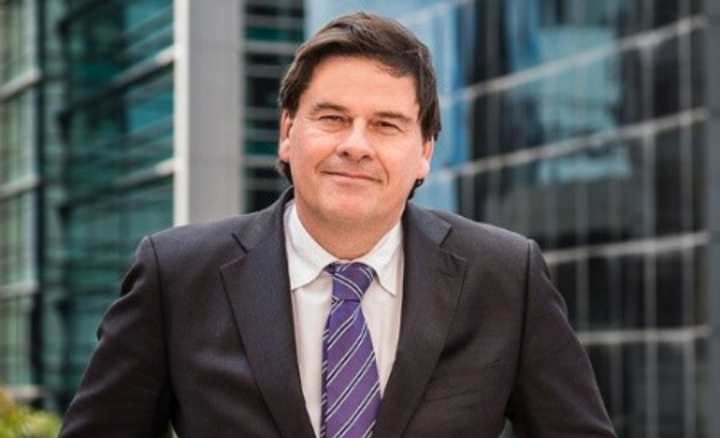
"The energy users who are most price sensitive, and would be most exposed if electricity demand growth radically outpaced supply growth, are the most energy intensive manufacturers: primary and recycled metals producers, pulp and paper, and makers of materials like cement, bricks and glass," Willox said.
"These sectors already face significant competitive pressures from many causes – they need an energy price spike like a hole in the head."
The bigger risk
The manufacturing sector's concern is less about system adequacy in aggregate than about allocation. Ai Group argues that uncoordinated data centre growth around major load centres risks diverting electricity from aluminium, steel and chemical producers towards digital loads that can bid more aggressively for supply.
The group questions whether Australia is willing to raise energy prices for export-oriented industries to meet AI-driven demand, potentially sacrificing jobs, exports and industrial capability in the process.
"The National Electricity Market is currently very open to new users of any sort, data centres or otherwise," Willox said.
"That would be fine if the potential rate of growth in data centre energy demand were not so far beyond the current plans to deliver new electricity supply."
Ai has cautioned that if data centres secure access to power without firm supply commitments or curtailment obligations, existing industrial users could be crowded out first. It says rapid expansion risks lifting power and water costs, straining reliability and eroding the competitiveness of energy- and water-intensive exporters.
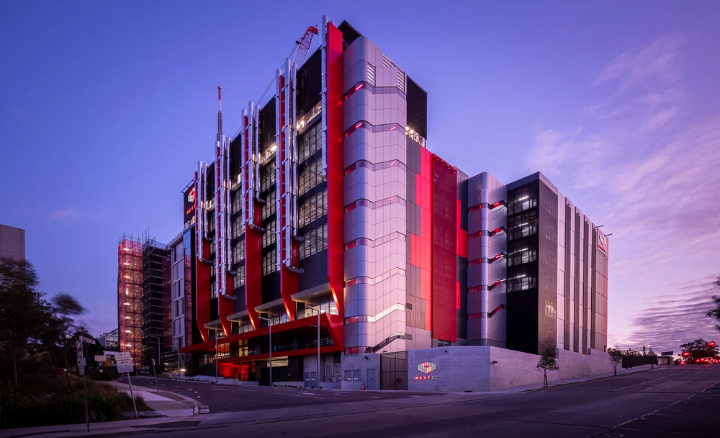
At the same time, the group acknowledges data centres underpin the growth of AI and the broader digital economy, attracting capital and high-skill jobs. With better coordination, they could help accelerate investment in new renewable generation, storage and firming capacity rather than competing for existing supply.
"We don't want to see special protection for existing users or a bar on new electricity connections," Willox said.
"We want growth, and are as excited as anyone about the potential applications of AI and machine learning."
"But we do need supply to grow in lockstep with demand, and we think it's reasonable to require this very large source of demand growth to contract to bring new supply in to the market too."
Industry groups are urging governments to align data centre approvals with energy and network investment, and to avoid socialising the costs across households and exporters. Some have called for data centres to be treated as a distinct electricity user class, similar to aluminium smelters, with clear rules around self-supply, firming and curtailment.

"It is unusual but not unknown to treat a class of electricity users differently; aluminium smelters have been subject to unique obligations and benefits for decades," Willox said.
"The data centres now proposed would substantially outweigh demand from aluminium if they eventually go ahead."
With uncertainty around how many projects will ultimately proceed, Ai says policy settings must be robust to a high-growth scenario.
"Nobody knows how many data centres will actually be built, given uncertainties about the ultimate scale of AI service demand," Willox said.
"Australia should make sure that we are ready for anything, including the most obvious scenario: that the data centres judged most likely to proceed by electricity networks are actually built. Today we are very far from ready. Something has to change."
Government response
Infrastructure NSW is assessing how the state can meet the sector's growing power and water demands, as governments sharpen their focus on the strain large-scale digital infrastructure could place on essential services.
A spokesperson for Climate Change and Energy Minister Chris Bowen said data centre energy use had become a priority, with national standards now being developed to improve sustainability.
"As part of the national AI plan, new data centre principles will set clear expectations, including bringing additional renewable generation online and adopting more efficient cooling technologies," the spokesperson told the AFR.
At their December meeting, federal and state energy ministers agreed to measures requiring data centres to fund their own network upgrades, streamline grid connection processes and improve the market operator's visibility over their energy consumption.